In recent years, the demand for air conditioning systems has increased significantly around the world — and Spain is no exception. This surge is not merely a matter of lifestyle or consumer preference; it is closely tied to a global phenomenon: the warming of our planet. Every summer, temperature records continue to be broken, and maintaining comfortable living and working environments has become an essential need rather than a luxury.
Climate change is causing a steady rise in average temperatures and, more noticeably, an increase in the frequency and intensity of heat waves. According to Spain’s Meteorological Agency (AEMET), summers in the country are now longer and hotter than they were just two decades ago. Cities that once enjoyed milder climates, such as Madrid, Zaragoza, and Valencia, now regularly experience days exceeding 35°C, driving more households and businesses to install air conditioning systems.
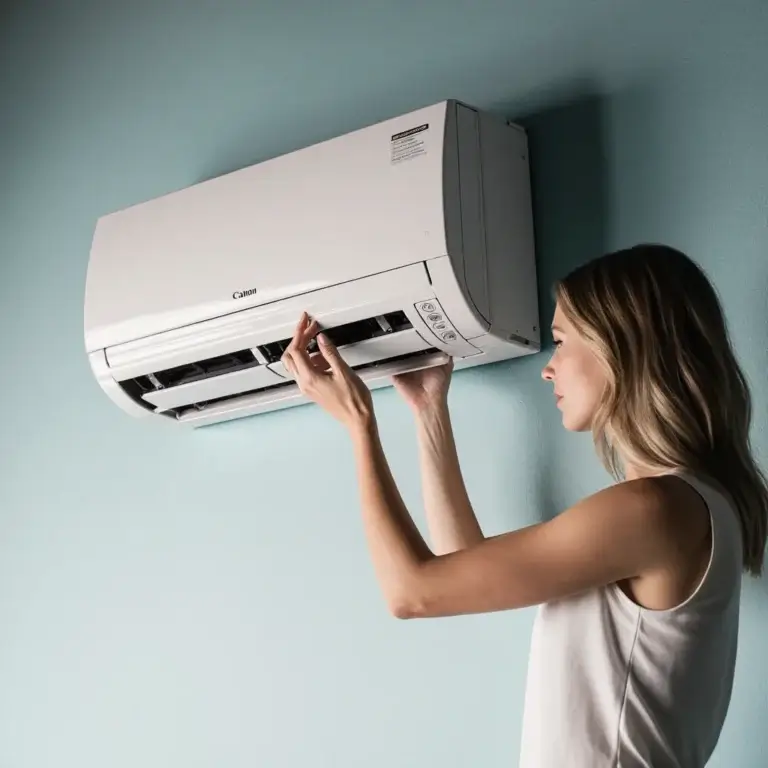
This trend has had a direct impact on the market. Installation companies have seen a steady rise in demand, especially during the spring and summer months. Growth is not limited to new installations; there is also strong demand for upgrading outdated equipment, as consumers seek more efficient and environmentally friendly solutions. Inverter technology and aerothermal systems have become increasingly popular, offering significantly lower energy consumption and greater sustainability.
However, this growing reliance on air conditioning also poses an environmental challenge. Cooling represents a substantial share of household and office electricity consumption, and increased use can lead to higher greenhouse gas emissions if energy sources remain fossil-based. For that reason, balancing comfort with sustainability is essential. Choosing high-efficiency units (rated A+++), ensuring professional installation, and performing regular maintenance are crucial steps toward minimizing environmental impact.
Spain’s National Integrated Energy and Climate Plan (PNIEC), in line with the United Nations’ 2030 Agenda for Sustainable Development, encourages a more responsible energy model. This includes promoting efficiency, reducing fossil fuel dependence, and integrating renewable energy sources to power climate control systems. Many new buildings are adopting smart technologies, such as temperature sensors, automated energy management, and remote control systems, to optimize air conditioning use and reduce waste.
Ultimately, the growing demand for air conditioning is a direct response to the effects of global warming and the need for comfort in an increasingly hot world. But the real challenge lies in staying cool responsibly. The future of climate control must be smarter, cleaner, and more efficient, ensuring that comfort does not come at the expense of the planet’s health. Achieving this balance will be key to adapting to climate change while preserving both human well-being and environmental sustainability.