Ducted HVAC Systems: Air Distribution Optimization for Commercial Spaces
Technical Analysis of Efficiency and Centralized System Design
Ducted HVAC systems represent a robust and efficient solution for centralized climate control in commercial spaces, offering precise temperature and air quality control in large areas. Their design and proper installation are crucial for ensuring optimal performance and minimizing energy consumption. This article focuses on key technical advantages and considerations for implementing these systems, addressing aspects from air distribution to energy efficiency and compliance with current regulations.
The efficiency of a ducted HVAC system fundamentally depends on the ductwork network design. Proper design involves correct duct sizing, considering air velocity, friction losses, and static pressure. Specialized computer-aided design (CAD) software, such as *Trane TRACE 700* or *Carrier HAP*, are used to simulate airflow and optimize duct dimensions. Excessive air velocity generates higher energy losses, while insufficient velocity can cause uneven temperature distribution and reduced comfort.
Ductwork Materials: Ducts can be made from various materials, with galvanized steel, aluminum, and fiberglass being the most common. Galvanized steel is the most traditional and economical, but prone to corrosion. Aluminum offers greater corrosion resistance and lower weight, facilitating installation. Fiberglass provides thermal and acoustic insulation, reducing energy losses and noise transmitted through the ducts. Material selection depends on factors such as budget, environmental conditions, and building acoustic requirements. Spanish regulations, particularly Royal Decree 229/2007, establish requirements regarding indoor air quality and corrosion protection.
Air Distribution Systems: There are several types of air distribution systems, including central flow duct systems, variable flow duct systems, and directional flow duct systems. Central flow systems distribute air through a ductwork network from a central air handling unit (AHU). Variable flow systems allow airflow to be adjusted to each zone, optimizing comfort and energy efficiency. Directional flow systems direct air directly to occupants, reducing energy losses and improving air quality. The selection of the distribution system depends on building configuration, climate control needs, and budget.
Indoor Air Quality (IAQ) Control: IAQ is a critical aspect of commercial spaces, especially offices and hospitals. Ducted HVAC systems should incorporate high-efficiency air filters, such as HEPA filters or activated carbon filters, to remove particles, dust, pollen, and odors. Implementing humidification and dehumidification systems to maintain relative humidity within a comfortable range (40-60%) is also important. Continuous IAQ monitoring using CO2, VOCs, and particulate sensors is essential to ensure a healthy environment.
Energy Efficiency: The energy efficiency of a ducted HVAC system can be improved through various strategies, including the use of high-efficiency AHUs, implementation of heat recovery systems, optimization of the climate control schedule, and regular system maintenance. AHUs with rotary heat exchangers or plate heat exchangers can recover up to 90% of the heat from exhaust air to precool or preheat incoming air. Energy efficiency certification of HVAC equipment, according to Directive 2010/30/EU, is an important indicator of its efficiency.
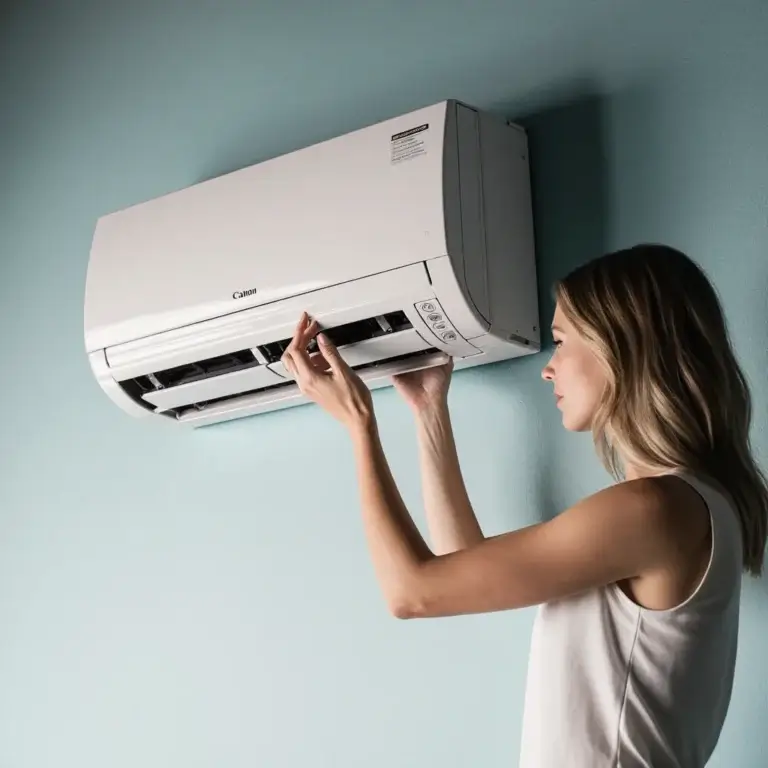
Preventive Maintenance: A regular preventive maintenance program is essential to ensure the proper functioning and longevity of the ducted HVAC system. Maintenance should include filter cleaning or replacement, ductwork connection inspection, refrigerant pressure verification, and electrical component inspection. Implementing a maintenance management system (CMMS) allows for scheduling maintenance tasks and recording results.
Installation of ducted HVAC systems requires qualified and experienced professionals. It is essential to have a technical engineer specializing in HVAC who can perform design, equipment selection, and installation supervision. Compliance with local and national regulations, such as Ministerial Order of November 15, 1975, on Air Conditioning and Refrigeration Installations, is mandatory to ensure system safety and efficiency. For proper implementation and optimization of your ducted HVAC system, we invite you to contact our specialized technicians.