Ducted HVAC Systems: Optimizing Air Distribution for Commercial Spaces
Technical Analysis of Centralized System Installation and Performance
Ducted HVAC systems represent a robust and efficient solution for climate control in large commercial spaces such as offices, shopping malls, hospitals, and hotels. Their design and correct implementation are crucial for ensuring uniform thermal comfort, precise air quality control, and optimal energy efficiency. This article focuses on the advantages, key considerations, and specific technical aspects of installing these systems, aiming to provide a detailed overview for both industry professionals and property owners interested in understanding the underlying technology.
The primary advantage of ducted HVAC systems lies in their ability to distribute conditioned air – heating or cooling – uniformly throughout a network of ducts, minimizing temperature fluctuations and ensuring consistent comfort. This distribution is achieved through a central unit, typically a heat pump or a chiller, which conditions the air and pushes it through the ducts to terminal units (diffusers) located in each zone of the space. Air distribution is controlled using dampers that regulate airflow to each zone, allowing for precise adaptation to the needs of each area.
The selection of duct materials is a critical aspect. Ducts are typically manufactured from galvanized steel, aluminum, or fiberglass, each with its own advantages and disadvantages in terms of cost, acoustic insulation, and corrosion resistance. Thermal insulation of the ducts is essential to prevent energy loss and ensure system efficiency. Materials such as mineral wool, polyurethane, or polyester foam are used, with thicknesses calculated according to prevailing thermal insulation regulations. The Spanish regulation, specifically Royal Decree 206/2009, which develops the Directive 2005/32/EC on energy performance of ventilation, air-conditioning and refrigeration systems, establishes minimum thermal insulation requirements for ducts.
The design of the ductwork network is a complex process that requires a detailed analysis of the building’s characteristics, such as zone distribution, orientation, heat load, and ventilation requirements. Energy simulation programs, such as Carrier HAP or Trane TRACE, are used to optimize the design and ensure energy-efficient performance. These programs allow for modeling the behavior of the HVAC system in different scenarios and evaluating the impact of various parameters, such as duct size, air velocity, and terminal unit location. An inadequate design can result in uneven air distribution, excessive energy consumption, and comfort problems for occupants.
The energy efficiency of ducted HVAC systems depends on several factors, including the quality of thermal insulation, proper duct sealing to prevent air leaks, and the selection of high-efficiency equipment. Terminal units (diffusers) should be designed to minimize turbulence and ensure uniform air distribution. The implementation of heat recovery systems, such as cross-flow heat recuperators or rotary heat exchangers, can significantly improve energy efficiency by reusing heat from exhaust air to preheat or precool incoming air. These systems, offered by manufacturers like Danfoss or Siemens, can reduce energy consumption by 20-30%.
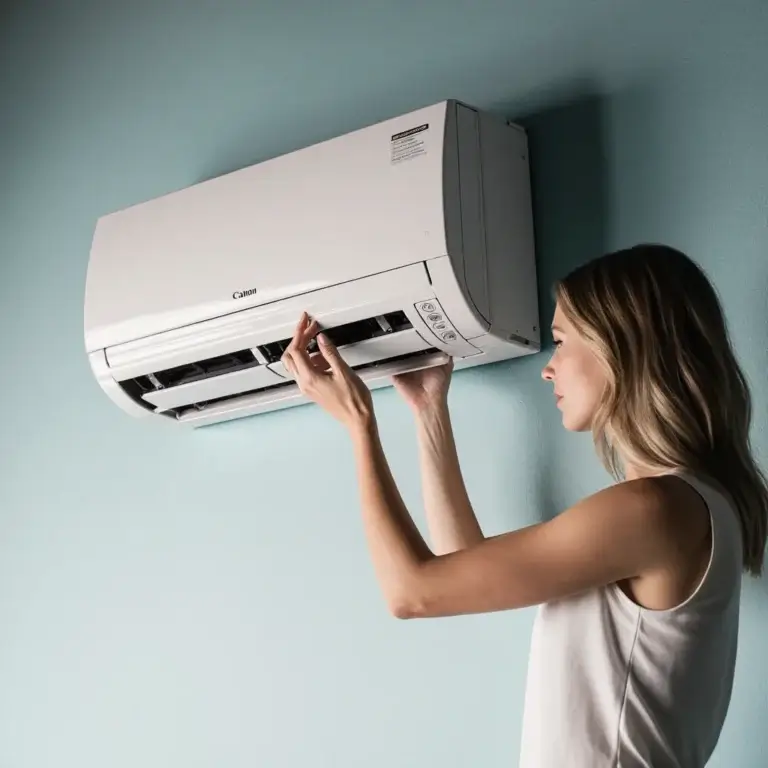
Regular maintenance is essential to ensure the efficiency and longevity of ducted HVAC systems. Maintenance tasks include duct cleaning, inspection and cleaning of air filters, inspection of terminal units, and verification of refrigerant pressure. Duct cleaning, performed with specialized equipment and techniques such as rotary brush extraction, is crucial to remove dust, dirt, and contaminants that can affect air quality and reduce system efficiency. Local and national regulations typically establish minimum frequencies for inspection and maintenance of these systems.
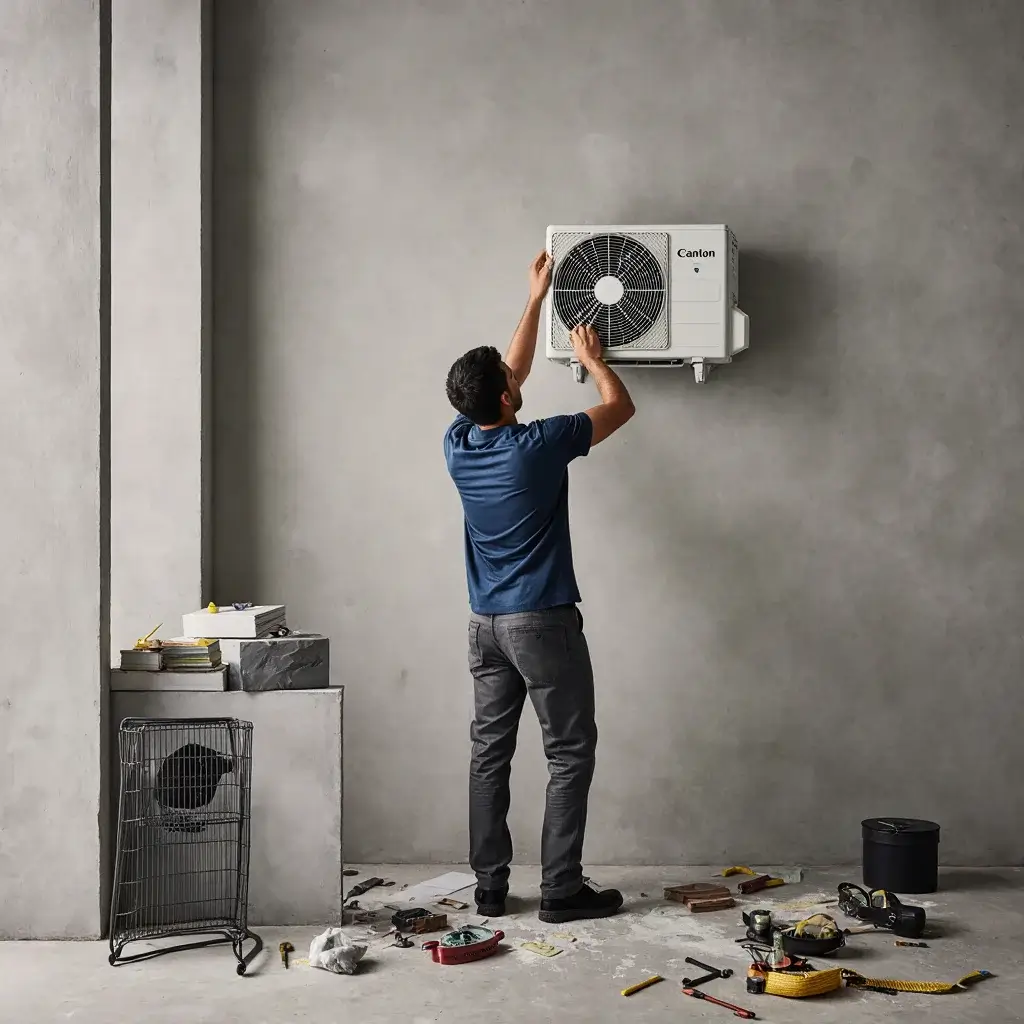
In conclusion, ducted HVAC systems offer an effective and versatile solution for climate control in commercial spaces. However, their correct installation and maintenance require specialized technical knowledge and careful planning. Investing in an optimized design, high-quality materials, and regular maintenance ensures optimal thermal comfort, superior energy efficiency, and a prolonged system lifespan. If you are considering the installation or maintenance of a ducted HVAC system, we recommend contacting a qualified and experienced technical engineer in this type of installation.