Ducted HVAC Systems: Optimizing Air Distribution for Efficiency and Comfort
Technical Analysis of Centralized System Installation and Performance
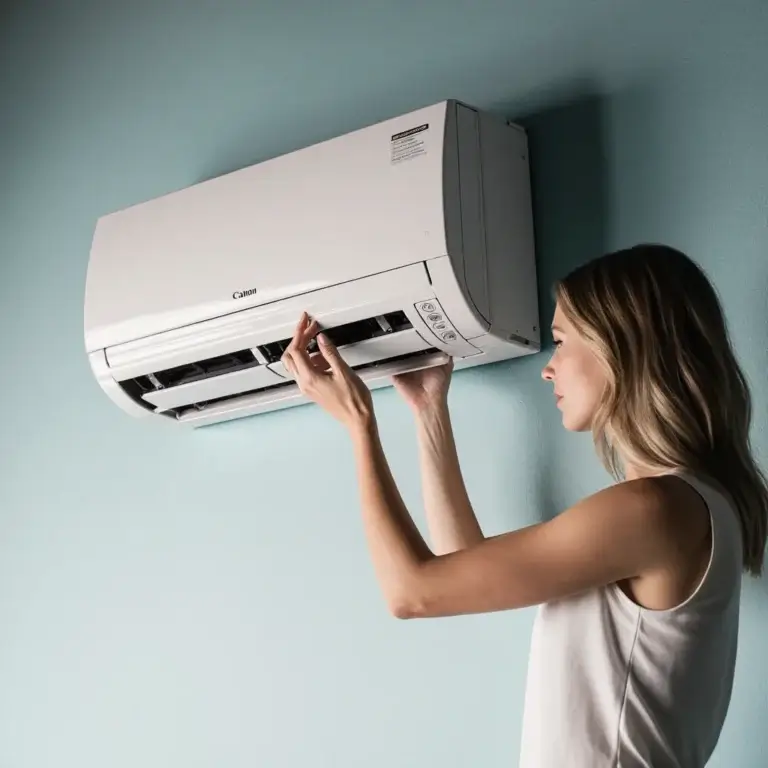
Ducted HVAC systems represent a robust and efficient solution for climate control in commercial spaces, particularly those with large areas and uniform air distribution requirements. Unlike directional air conditioning systems, ductwork allows for more discreet and controlled air distribution, ensuring thermal comfort throughout the building. Proper planning and execution of the installation are crucial for maximizing system energy efficiency and performance.
The key to success lies in the appropriate design of the ductwork network. Factors such as the building’s thermal load, the location of indoor units (diffusers, registers, etc.), and the optimization of duct length and diameter must be considered to minimize pressure drop. Spanish regulation, specifically Royal Decree 203/2007, approving the Regulation of Thermal Installations in Buildings (RITE), establishes minimum requirements for the design and installation of HVAC systems, including maximum allowable pressure drop in the ducts.
Duct Materials: A Key Factor in Performance. The choice of duct material directly impacts the system’s energy efficiency. Aluminum ducts, with their lightweight properties and corrosion resistance, are a popular choice for commercial applications. However, galvanized steel ducts offer greater durability and noise resistance, making them a viable alternative in noisy environments. It is essential to ensure proper thermal insulation of the ducts to prevent heat loss or gain, especially in buildings with extreme climates. Insulating materials with an appropriate thermal resistance (R-value) should be used, in accordance with energy efficiency regulations.
Air Distribution Design: Precise Flow Control. The design of air distribution within the ducts is critical to ensure proper air mixing and avoid areas of overheating or undercooling. Various types of diffusers and registers are used to control the direction and velocity of airflow. Radial diffusers, for example, distribute air uniformly in a circular pattern, while deflective registers allow airflow to be directed in a specific direction. Proper selection and placement of these elements are crucial for optimizing comfort and energy efficiency.
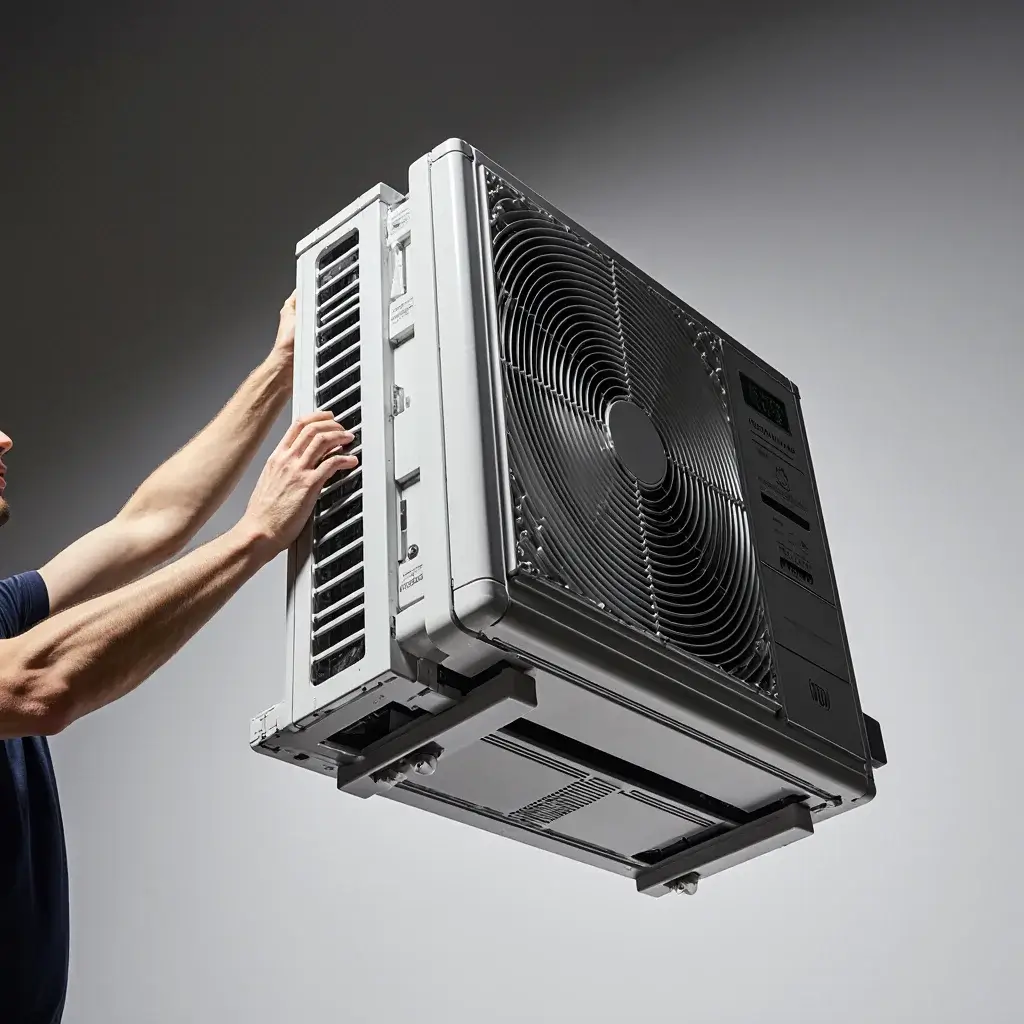
Air Handling Units (AHUs): The System’s Core. AHUs are the central component of a ducted HVAC system. These units perform various functions, including air filtration, temperature and humidity control, and heat recovery. Modern AHUs typically incorporate advanced technologies such as plate and fin heat exchangers, high-efficiency filters (MERV 13 or higher), and digital control systems that allow precise adjustment of airflow and temperature. The energy efficiency of the AHU is measured by its Coefficient of Performance (COP) and Seasonal Energy Efficiency Ratio (SEER) values, which should be considered in the system design.
Control and Automation Systems: Continuous Optimization. The integration of control and automation systems allows for optimization of the ducted HVAC system’s performance. These systems can automatically control temperature, humidity, airflow, and duct pressure, adapting to the building’s needs and weather conditions. The implementation of energy management systems (EMS) allows for monitoring energy consumption and identifying opportunities for improvement. The use of indoor air quality (IAQ) sensors allows for air quality control and ensures a healthy environment for occupants.
Preventive Maintenance: Ensuring Longevity and Efficiency. A regular preventive maintenance program is essential to ensure the longevity and efficiency of the ducted HVAC system. This program should include filter cleaning or replacement, inspection of ductwork connections, AHU inspection, and verification of control system operation. Duct cleaning is particularly important to prevent the accumulation of dust, dirt, and microorganisms, which can affect air quality and system performance. It is recommended to have the system professionally inspected at least once a year.
Proper installation and appropriate maintenance of ducted HVAC systems require qualified and experienced personnel. Contacting a specialized technical engineer ensures system optimization, energy efficiency, and occupant comfort. For further information or to request a quote, please do not hesitate to contact us.