Ducted HVAC Systems: Optimizing Air Distribution for Commercial Spaces
Technical Analysis of Centralized Climate Control Installation and Performance
Ducted HVAC systems represent a robust and efficient solution for climate control in commercial spaces, particularly those with large areas and homogeneous comfort requirements. Unlike split system air conditioning, centralized climate control offers a more uniform air distribution and precise temperature and humidity control throughout the building. This article addresses the advantages, key technical considerations, and optimization of these systems, with a focus on energy efficiency and user comfort.
The operation of a ducted HVAC system relies on the forced circulation of conditioned air through a network of ducts, from a central unit (compressor, evaporator, condenser) to diffusers located in various spaces. Proper duct selection, design, and installation are crucial for ensuring optimal performance and preventing energy losses. Different types of ducts are used, including metal ducts (galvanized steel, aluminum) and fiberglass ducts, each with its own advantages in terms of cost, acoustic insulation, and thermal efficiency. Material selection depends on factors such as budget, building type, and acoustic requirements.
The energy efficiency of a ducted HVAC system largely depends on the ductwork design and the correct implementation of control systems. Poor planning can lead to heat or cold loss due to duct leaks, inadequate insulation, or excessive pipe lengths. European regulations, specifically Directive 2009/138/EC (Energy performance of buildings), establish minimum energy efficiency requirements for HVAC systems, including the obligation to use well-insulated ducts and heat recovery systems. Furthermore, the implementation of sophisticated control systems, such as programmable thermostats, occupancy sensors, and energy management systems (EMS), allows for system optimization and reduced energy consumption. Modern air handling units (AHUs), such as those from Carrier or Daikin, incorporate heat recovery technologies that can significantly reduce energy consumption in moderate climates.
A critical aspect of ducted HVAC system installation is the correct sizing of the ducts. Sizing must consider the airflow required for each zone, the air velocity in the ducts (which must be maintained within recommended limits to avoid noise and energy losses), and the pressure drop due to air friction in the ducts. Computer-aided design (CAD) programs are used to perform these calculations accurately. Spanish regulations, in its Royal Decree 229/2007 (Energy efficiency of buildings), establish requirements for HVAC system design, including the obligation to perform a thermal load analysis and appropriate sizing of equipment and ducts.
Proper installation of diffusers and return grilles is also essential to ensure uniform air distribution and avoid hot or cold spots. Diffusers should be strategically positioned to direct airflow to areas of greatest need, while return grilles should be located in areas where air can circulate freely. It is important to consider the aesthetics of diffusers and grilles to integrate them harmoniously into the building’s interior design. Brands such as VMC or Datler offer a wide range of diffusers and return grilles with different designs and functionalities.
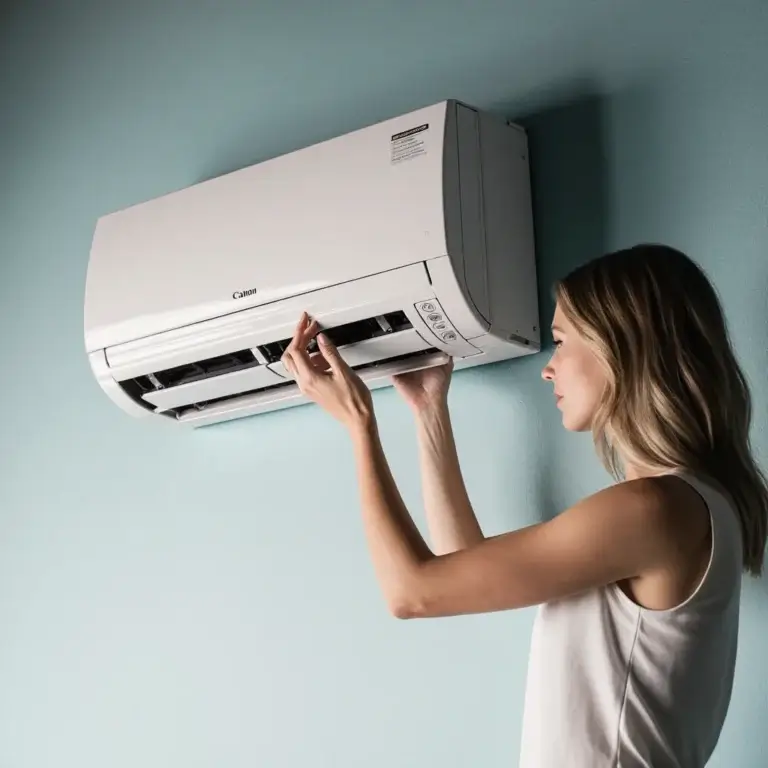
Finally, regular preventative maintenance is essential to ensure the performance and lifespan of a ducted HVAC system. Maintenance should include filter cleaning, duct inspection for leaks, review of mechanical and electrical components, and verification of the control system’s proper operation. A well-planned preventative maintenance program can help prevent costly breakdowns and prolong the system’s lifespan. It is recommended to perform an annual professional inspection of the system to detect and correct any problems in a timely manner. Investing in a preventative maintenance program is an investment in the efficiency and durability of the system.
The installation and optimization of ducted HVAC systems require specialized technical knowledge and expertise in the field. To ensure optimal performance and maximum energy efficiency, it is recommended to hire qualified professionals with experience in installing these types of systems. If you are considering the installation or review of your ducted HVAC system, please do not hesitate to contact our specialized technicians for a personalized quote and technical advice.