Ducted HVAC Systems: Air Distribution Optimization for Commercial Spaces
Advantages and Technical Considerations in Centralized Climate Control Installation
Ducted HVAC systems represent a robust and efficient solution for centralized climate control in commercial spaces, offering precise temperature and air quality control in large areas. Unlike split system air conditioning or VRF systems, ducts allow for uniform distribution of conditioned air through a network of pipes, optimizing thermal comfort and reducing cold or hot spots. Proper planning and execution of the installation are crucial to maximize energy efficiency and ensure long-term optimal performance.
One of the primary advantages of ducted HVAC systems is their ability to provide filtered and regulated air. Ducts enable the installation of high-efficiency filters, such as HEPA filters, which remove contaminants, dust, pollen, and other allergens, improving indoor air quality. Furthermore, ducted HVAC systems often include integrated humidifiers or dehumidifiers, which control relative humidity levels, contributing to comfort and preventing the growth of mold and fungi. These systems are particularly important in environments requiring strict air quality control, such as hospitals, laboratories, or data centers.
The design of the ductwork network is a fundamental aspect of system energy efficiency. Factors such as duct length, diameter, material, and thermal insulation must be considered. Galvanized steel or aluminum ducts with polyurethane insulation are the most common, although flexible fiberglass ducts are also used in applications where flexibility is required. Proper duct sizing, based on airflow calculations and pressure drop, is essential to minimize air pump energy consumption and ensure uniform air distribution.
Air pump selection is another critical factor. Modern air pumps, such as high-efficiency (HE) models, incorporate inverter compressors that adjust operating speed based on cooling demand, optimizing energy consumption. These pumps also typically include high-efficiency fans and heat recovery systems, which utilize residual heat to precool or preheat air, further reducing energy consumption. It is important to verify the Coefficient of Performance (COP) and Seasonal Energy Efficiency Ratio (SEER) of the air pump during selection.
Ductwork installation requires considerable precision. It is essential to ensure that ducts are properly sealed to prevent air leaks, which can significantly reduce system efficiency. The use of sealing mastic and duct-specific insulation tape is essential to ensure airtightness. Additionally, it is important to install diffusers and return grilles in appropriate locations to ensure uniform air distribution and adequate airflow. Spanish regulations, specifically Royal Decree 229/2008, on energy efficiency in buildings, establishes minimum requirements for duct thermal insulation and HVAC system efficiency.
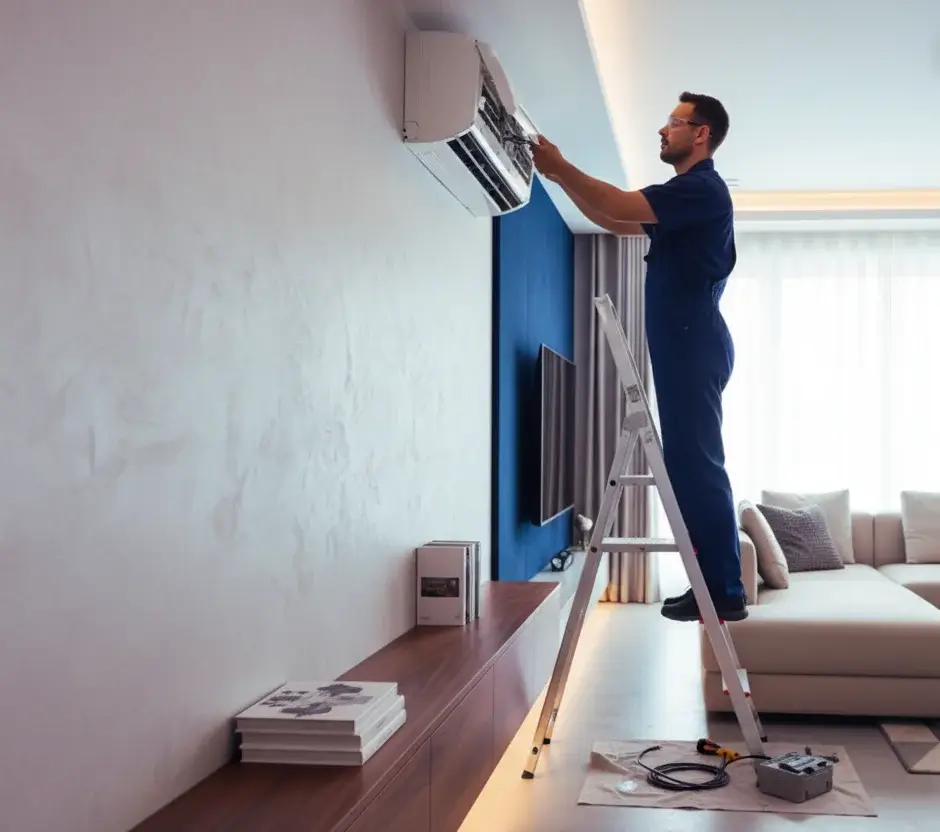
Regular maintenance of ducted HVAC systems is crucial to ensure performance and prolong their lifespan. This includes duct cleaning, filter inspection and cleaning, air pump inspection, and ductwork leak testing. Maintenance frequency will depend on environmental conditions and system usage, but generally, an annual inspection by a qualified technician is recommended. The use of diagnostic tools, such as manometers and infrared thermometers, allows for rapid identification of potential problems and corrective action.
The initial investment in a ducted HVAC system may be higher than other air conditioning systems, but the long-term benefits, such as energy efficiency, thermal comfort, and indoor air quality, justify the investment. It is essential to engage a qualified and experienced installer who can design and install the system according to the specific needs of the commercial space and comply with current regulations. Contact experienced professionals to ensure efficient and durable installation.