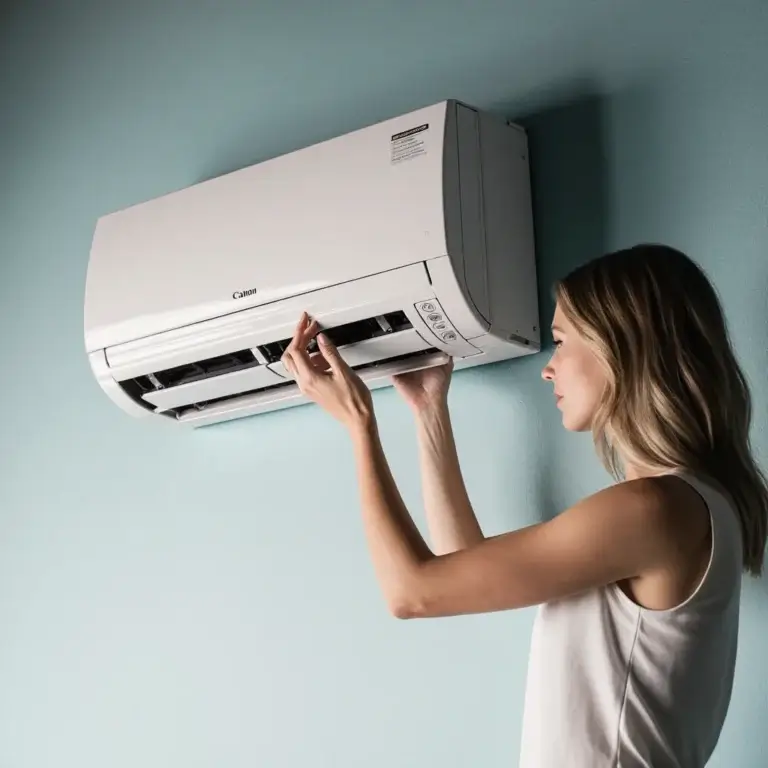

Ductwork HVAC Systems: Optimizing Air Distribution for Commercial Spaces
Advantages and Technical Considerations in Centralized Climate Control Installation
Ductwork HVAC systems represent a robust and efficient solution for centralized climate control in commercial spaces such as offices, shopping centers, hospitals, and hotels. Unlike directional air conditioning systems, ductwork allows for uniform distribution of conditioned air, ensuring consistent thermal comfort and improved indoor air quality (IAQ). Proper planning and execution of the installation are crucial to maximize energy efficiency and ensure long-term system performance. This article addresses the technical advantages of these systems and key considerations during the installation phase.
One of the primary advantages of ductwork HVAC is the ability to precisely control temperature and humidity in different zones of the building. This is achieved through the use of air handling units (AHUs) that, via filters, heating/cooling coils, and humidifiers/dehumidifiers, prepare the air for distribution. Air distribution is achieved through a network of ducts, typically manufactured from aluminum or galvanized steel, which are carefully designed and sized to ensure optimal airflow and minimize pressure drop. The choice of duct material depends on factors such as budget, building characteristics, and acoustic and thermal insulation requirements.
Ductwork network design is a critical aspect. Computational Fluid Dynamics (CFD) simulation programs are used to model airflow and optimize duct location, size, and configuration. This helps prevent stagnant zones, reduce noise, and ensure uniform air distribution throughout the space. Spanish regulations, specifically the Building Code (CTE) – DB HE (Energy Efficiency), establish minimum thermal insulation requirements for ducts, with the objective of reducing heat loss and improving the energy efficiency of the system. Insulating materials such as rock wool or expanded polyurethane foam with appropriate thickness are typically used, depending on the temperature of the transported air and ambient conditions.
The selection of the air handling unit (AHU) is fundamental to system performance. Modern AHUs incorporate high-efficiency technologies, such as inverter compressors, high-efficiency fans, and heat recovery systems. Inverter compressors allow for adjustment of the compressor speed based on cooling demand, reducing energy consumption compared to conventional compressors. Heat recovery systems capture heat from exhaust air to preheat incoming air, reducing the load on the heating system. AHUs should be properly sized based on the building’s thermal load, considering factors such as area, height, thermal insulation, and orientation.
Duct installation requires precise and careful execution. It is important to ensure that ducts are properly sealed to prevent air leaks, which can reduce energy efficiency and affect indoor air quality. Expansion and contraction joints are used to accommodate duct expansion and contraction due to temperature changes. Furthermore, it is crucial to perform leak tests with a pressure system to verify the absence of air leaks. Compliance with occupational safety regulations is essential during installation, including the use of personal protective equipment (PPE) and the proper handling of tools and materials.
Finally, proper system control configuration is essential to optimize performance and energy efficiency. Modern control systems allow for programming temperature and airflow in different zones of the building, adapting to occupant needs and reducing energy consumption during periods of inactivity. Integration with building management systems (BMS) allows for centralized monitoring and control of the HVAC system, optimizing its performance and ensuring consistent thermal comfort. Investment in advanced control systems can generate significant long-term energy savings.
Installation of ductwork HVAC systems requires experienced and technically proficient professionals. It is essential to have a qualified team capable of performing precise design, safe installation, and efficient commissioning. To ensure work quality and system safety, it is recommended to choose companies with ISO 9001 certification and that employ technicians specialized in HVAC.
If you are considering the installation or maintenance of a ductwork HVAC system, we invite you to contact our technicians for a personalized quote and professional consultation.