Ducted HVAC Systems: Optimizing Air Distribution for Commercial Spaces
Advantages and Technical Considerations in Centralized Climate Control Installation
Ducted HVAC systems represent a proven and highly efficient solution for climate control in large commercial spaces, such as offices, shopping malls, hospitals, and hotels. Their design, installation, and proper operation directly impact thermal comfort, indoor air quality, and building energy efficiency. Unlike split or portable air conditioning systems, ducted systems offer a more uniform and controlled air distribution, minimizing temperature and humidity fluctuations.
The primary advantage lies in the ability to distribute treated air uniformly through a network of ducts, allowing precise control of temperature and humidity in different zones of the building. This distribution is achieved through strategically located diffusers and grilles, which regulate airflow and prevent the formation of direct drafts that can cause discomfort. Ducts, generally fabricated from galvanized steel or aluminum, must be sized correctly according to the airflow required for each zone, considering duct length, friction losses, and pressure drop due to fittings (elbows, joints, etc.). The calculation of these parameters is performed using specialized software, such as Carrier HAP or Trane TRACE, ensuring optimal system performance.
Energy efficiency is a crucial factor in the selection and installation of ducted HVAC systems. The European standard EN 12831 establishes the energy efficiency requirements for centralized climate control systems. It is essential to utilize high-efficiency equipment, such as inverter compressors that adjust their speed according to demand, and high-efficiency fans that minimize energy consumption. Furthermore, the proper implementation of a control system, such as a Building Management System (BMS), allows for system optimization based on building occupancy, weather conditions, and user preferences. A BMS can regulate temperature, humidity, airflow, and lighting, thereby reducing energy consumption and improving comfort.
An important technical aspect to consider is duct insulation. Thermal insulation reduces heat loss or gain through the ducts, minimizing the load on the refrigeration system and improving energy efficiency. The insulation should have an adequate thickness, depending on the climate conditions of the area and local regulations. Additionally, it is crucial to ensure the airtightness of the ducts to prevent air leaks, which can reduce system efficiency and affect indoor air quality. Specialized sealants and mashes are used to seal joints and prevent leaks.
Indoor air quality is another important consideration. Ducted HVAC systems should be equipped with air filters that retain particulate contaminants, such as dust, pollen, and bacteria. It is recommended to use high-efficiency filters, such as HEPA filters, to improve indoor air quality, especially in spaces with high occupancy or in areas with atmospheric pollution problems. Furthermore, it is important to perform regular maintenance on the filters to ensure their proper operation. Heat recovery ventilation (HRV) is a technology that allows for the recovery of heat from exhaust air to preheat the supply air, thereby reducing energy consumption and improving indoor air quality.
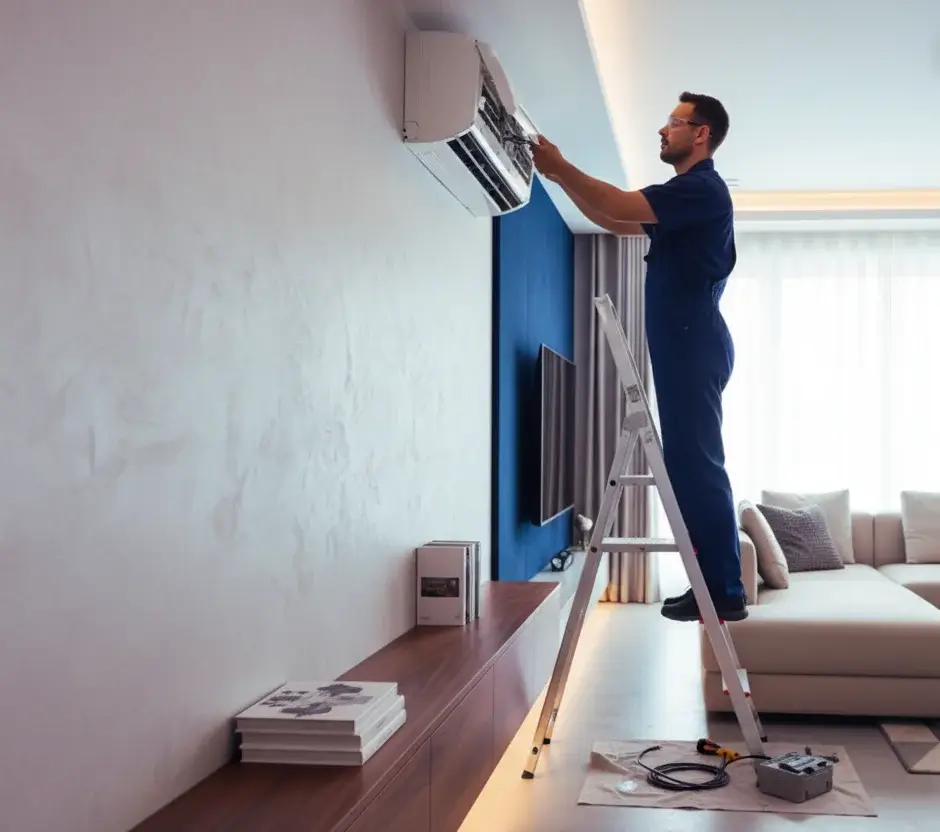
The installation of ducted HVAC systems requires qualified and experienced personnel who are familiar with local regulations and quality standards. It is essential to perform proper project planning, considering the specific needs of the building and the climate conditions of the area. The correct selection of equipment, proper duct sizing, and precise installation of fittings are key factors to ensure system performance and efficiency. ISO 9001 certification in installers is an indicator of quality and professionalism.
In conclusion, ducted HVAC systems offer an efficient and comfortable solution for climate control in commercial spaces, provided they are properly planned and installed. The initial investment may be higher than that of other systems, but the long-term benefits in terms of energy efficiency, comfort, and indoor air quality justify the choice of this technology. To ensure optimal performance and a long system lifespan, it is essential to perform regular and scheduled maintenance, following manufacturer recommendations and current regulations. If you are considering the installation or maintenance of a ducted HVAC system, we recommend contacting qualified and experienced professionals in the field.