Preventive Maintenance of Split Systems: Key Steps to Prolong Lifespan and Optimize Performance
Importance of Preventive Maintenance in Split Air Conditioning Systems
Split air conditioning systems have become an indispensable element in homes and commercial properties, providing thermal comfort year-round. However, to ensure proper operation, energy efficiency, and prolong lifespan, implementing a rigorous preventive maintenance program is essential. Neglecting maintenance can lead to unexpected failures, increased energy consumption, and ultimately, the need for costly repairs or equipment replacement. This technical article outlines the key aspects of preventive maintenance for split systems, focusing on crucial technical aspects and best practices recommended by professionals with over 15 years of experience in the industry.
The lifespan of a split system largely depends on the environmental conditions in which it operates and the quality of maintenance it receives. Factors such as accumulated dirt on filters, coil blockage, and lack of lubrication of moving components can significantly affect performance and cause breakdowns. Proper preventive maintenance minimizes these risks, ensuring optimal operation and enhanced energy efficiency.
Cleaning and Initial Inspection Procedures
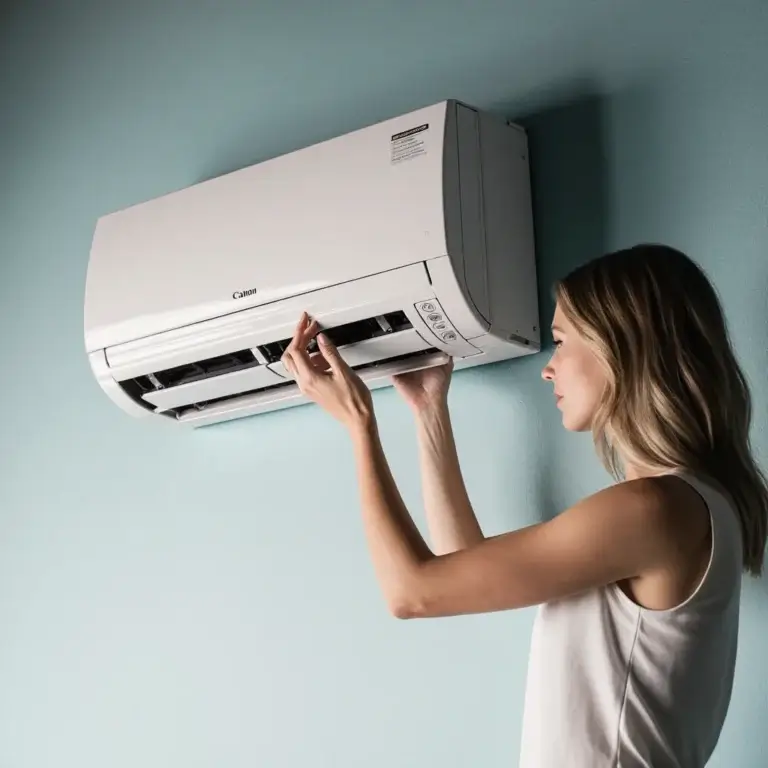
The first step in preventive maintenance is regular cleaning of the air filters. These filters, generally manufactured from materials such as polypropylene or fiberglass, trap dust, pollen, and other particles present in the air, preventing them from entering the evaporator and damaging internal components. Filters should be cleaned every 15-30 days, depending on the level of environmental contamination. Cleaning is performed by vacuuming or washing with low-pressure water and detergents specifically designed for this purpose, avoiding damage to the filter material. A dirty filter forces the unit to work harder, increasing energy consumption and reducing cooling capacity. A clogged filter can restrict airflow, affecting system efficiency and potentially causing compressor overheating.
In addition to filter cleaning, a visual inspection of the equipment is important. Check for obstructions in air supply and return grilles, as well as the proper connection of cables and the integrity of the outdoor unit. It is crucial to verify the absence of corrosion or damage to the coils, which are the heart of the heat exchange system. The presence of rust on the coils can significantly reduce their efficiency and lead to refrigerant leaks.
Refrigerant Coil and Internal Component Inspection and Cleaning
Cleaning the coils, both in the indoor and outdoor units, is a crucial step in maintaining system efficiency. The accumulation of dirt and dust on the coils hinders heat transfer, forcing the compressor to work harder. This cleaning is typically performed using air conditioning-specific detergents and a soft brush. It is important to follow the detergent manufacturer’s instructions and avoid abrasive products that could damage the coils. In some cases, the assistance of a specialized technical service may be required for a more thorough cleaning, especially on units with hard-to-access coils.
In addition to the coils, the compressor condenser should be inspected and cleaned, as it is a vital component for proper system operation. A dirty condenser can cause compressor overheating, shortening its lifespan. Condenser cleaning is performed by vacuuming and, in cases of persistent dirt, using a brush and specific detergent.
Annual Inspections and Preventive Diagnostics
Annual inspections, performed by a qualified and certified technical service, are essential for detecting potential problems before they escalate into major breakdowns. These inspections include checking refrigerant pressure, verifying compressor operation, reviewing electrical connections, and lubricating moving components. Refrigerant pressure should be within the ranges specified by the manufacturer to ensure system efficiency. Incorrect pressure can indicate a refrigerant leak, which should be repaired as soon as possible to prevent compressor damage.
Preventive diagnostics also involve the use of specialized diagnostic tools, such as multimeters and pressure analyzers, to identify potential faults in the equipment’s electronic and mechanical components. Early detection of problems allows for necessary repairs before costly breakdowns occur. It is important to emphasize that the proper execution of these inspections requires qualified and experienced personnel who are thoroughly familiar with split system technology and applicable regulations. Spanish regulations (RITE and CTE) establish specific requirements for the installation and maintenance of air conditioning systems, ensuring safety and energy efficiency.
The use of refrigerants such as R32, which has a lower environmental impact than previous refrigerants, requires specific maintenance and trained personnel for handling and recovery. It is crucial to ensure that the equipment is installed and maintained in accordance with manufacturer guidelines and current environmental regulations.
Improper installation, lack of maintenance, or the use of non-original parts can have serious consequences, such as reduced equipment performance, increased energy consumption, and environmental pollution. It is essential to rely on qualified and experienced professionals to ensure the proper installation and maintenance of split systems.
If you wish to prolong the lifespan of your split air conditioning system and ensure its proper operation, we recommend contacting a qualified and certified technical service. Our qualified technicians are prepared to perform comprehensive preventive maintenance and ensure the energy efficiency of your system.