Ducted HVAC Systems: Optimizing Air Distribution for Commercial Spaces
Efficient Design and Installation of Duct Networks
Ducted HVAC systems represent a robust and efficient solution for centralized climate control in commercial buildings, offering precise temperature and air quality control across multiple zones. Unlike window or split air conditioning systems, ducted systems distribute conditioned air or chilled air through a network of concealed ducts within walls, ceilings, or floors, providing a cleaner aesthetic and more uniform air distribution. Proper planning and execution of the installation are crucial to ensure optimal performance and minimize energy consumption.
Duct network design is a complex process requiring a detailed analysis of the building’s thermal needs, spatial layout, and the location of air handling units (AHUs). Specialized computer-aided design (CAD) software, such as *Trane TRACE 700* or *Carrier HAP*, are used to model airflow, calculate pressure drop, and properly size the ducts. Incorrect duct sizing can result in uneven air distribution, increased energy consumption, and reduced occupant comfort. It is essential to consider air velocity in each duct section; excessive velocities can generate noise and vibration, while insufficient velocities can compromise climate control efficiency.
Duct construction materials significantly influence system performance. Galvanized steel ducts are common due to their durability and corrosion resistance, especially in industrial or coastal environments. However, aluminum ducts offer greater thermal efficiency and reduced weight, facilitating installation in existing buildings. Polyester flexible ducts are also used for connections and branches, but should be installed carefully to avoid excessive bends that can restrict airflow. Sealing ducts is essential to prevent air leakage, which can reduce energy efficiency and compromise indoor air quality. Special sealants and sealing membranes are used to ensure airtight sealing of all joints and connections.
The selection of the air handling unit (AHU) is a critical factor in system efficiency. Modern AHUs incorporate advanced technologies such as heat recovery, which captures heat from exhaust air to preheat or precool incoming air, thereby reducing energy consumption. High-efficiency fans, with alternating current (AC) motors and variable speed drives (VSD), optimize energy consumption based on climate control demand. Furthermore, indoor air quality (IAQ) should be considered. AHUs are equipped with high-efficiency air filters (MERV 13 or higher) to remove particulate matter, pollen, and allergens, improving occupant health and well-being. The European standard EN 15184 specifies the requirements for indoor air quality in office buildings.
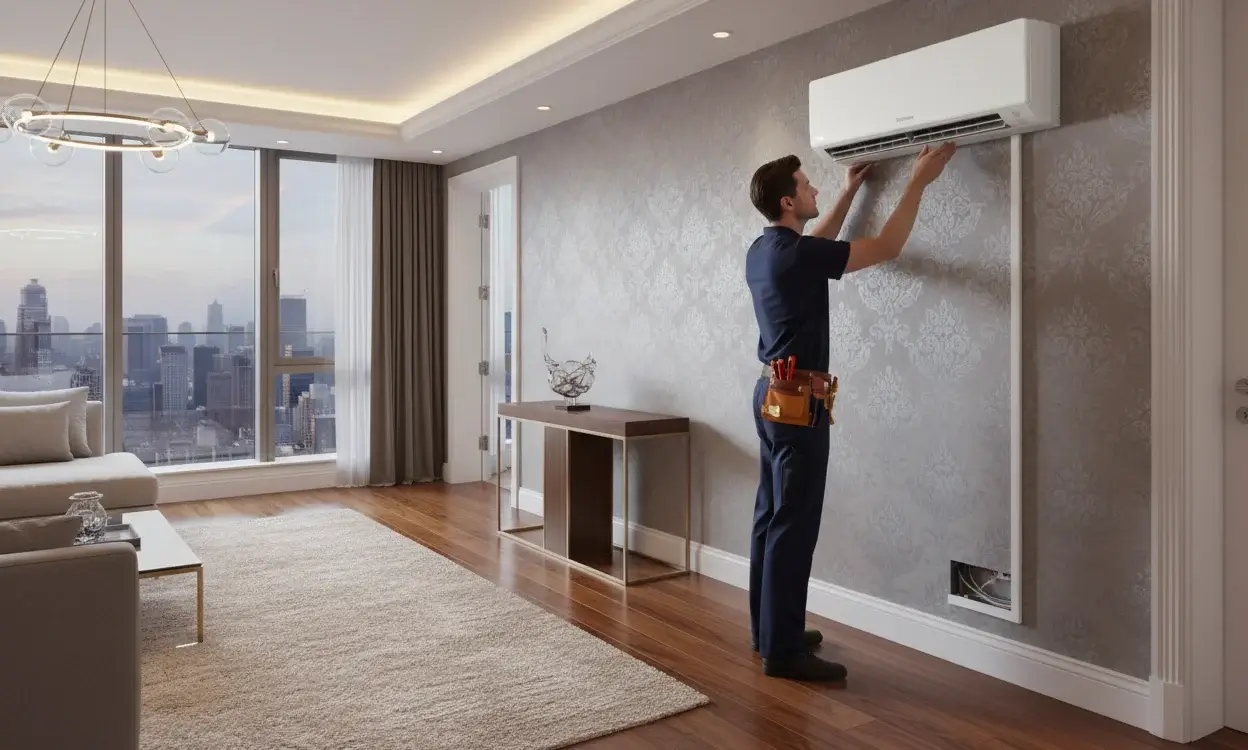
Duct installation must strictly adhere to manufacturer recommendations and local regulations. It is important to ensure proper duct slope to facilitate condensate drainage, prevent moisture buildup, and inhibit mold growth. Mechanical Ventilation with Heat Recovery (MVHR) integrated into the duct system is essential to ensure a constant supply of fresh air and remove indoor air pollutants. Proper calibration of the control system, including thermostats, temperature and humidity sensors, and an energy management system (EMS), is essential to optimize performance and minimize energy consumption. Continuous system performance monitoring is recommended to detect potential problems and implement preventative adjustments.
The initial investment in a ducted HVAC system may be higher than other systems, but the long-term benefits in terms of energy efficiency, comfort, and indoor air quality justify the investment. A well-designed and installed system can significantly reduce operating costs and enhance building value. To ensure proper operation and prolong system life, regular preventative maintenance is essential, including duct cleaning, air filter inspection, and verification of electrical component functionality. Contact qualified and certified professionals to ensure safe and efficient installation.