Preventive Maintenance of Split Systems: Performance Optimization and Extended Lifespan
Importance of Preventive Maintenance in Split Air Conditioning Systems
Split air conditioning systems have become an indispensable element in homes and commercial premises, providing thermal comfort year-round. However, optimal performance and a long service life critically depend on regular preventive maintenance. Investing in a proper maintenance program not only guarantees consistent performance but also prevents costly breakdowns and extends the equipment’s lifespan. Neglecting maintenance can lead to a significant decrease in energy efficiency, an increase in electrical consumption, and ultimately, the premature need to replace the equipment.
In this article, we will analyze in detail the key aspects of preventive maintenance for split systems, covering everything from filter cleaning to annual inspections and proactive diagnostics of potential failures. We will focus on specific technical aspects, using data and regulatory references to ensure the accuracy and usefulness of the information.
Filter Cleaning and Inspection: A Fundamental Step
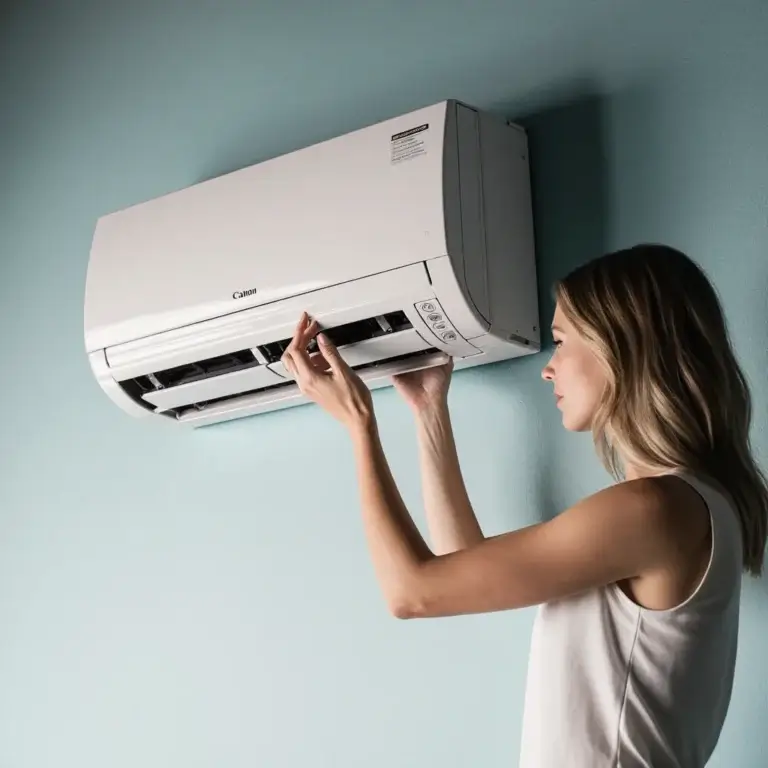
Air filters are the first line of defense against the accumulation of dust, pollen, mites, and other contaminants that affect system performance. Excessive dirt buildup restricts airflow, forcing the compressor to work harder, increasing energy consumption, and reducing cooling capacity. Filter cleaning should be performed at least every three months, or more frequently in environments with high levels of pollution. The frequency depends on equipment usage and environmental conditions.
The cleaning procedure involves removing the filters, gently vacuuming them with a brush, and, in the case of washable filters, cleaning them with water and neutral soap. It is crucial to allow the filters to dry completely before reinstalling them. Furthermore, it’s important to check the condition of the filters: if they show damage or deterioration, they should be replaced.
Annual Inspection: In-Depth Diagnostics and Maintenance
The annual inspection is an essential component of preventive maintenance. This inspection should be performed by a qualified and certified technician who will conduct a thorough examination of the equipment. Tasks included in the annual inspection include:
- Visual inspection of the equipment: verification of the integrity of electrical connections, refrigerant pipes, and external components.
- Refrigerant pressure measurement: verifying that the amount of refrigerant is adequate, according to the manufacturer’s specifications. The use of R32, a refrigerant with low GWP (Global Warming Potential), is becoming increasingly common, but requires specialized equipment and technicians.
- Cleaning of evaporator and condenser coils: dirt buildup on the coils reduces heat exchange capacity, decreasing system efficiency. Specific coil cleaning products are used, following the manufacturer’s instructions.
- Verification of compressor operation: checking the temperature, pressure, and electrical consumption of the compressor. A faulty compressor can be the cause of system malfunction.
- Electrical system inspection: checking the condition of cables, plugs, and electrical components, looking for potential leaks or damage.
- Refrigerant leak test: leak detectors are used to identify potential refrigerant losses, which must be repaired immediately.
Spanish regulations, through the Royal Decree 228/2005 (RITE), establish technical requirements for the installation and maintenance of air conditioning systems, including the obligation to perform periodic inspections.
Proactive Diagnostics: Early Identification of Problems
Proactive diagnostics involve the early detection of potential failures before they become serious breakdowns. This may include the use of infrared thermography to identify hot spots on the equipment, which can indicate problems with the compressor, expansion valves, or connections. Gas analyzers can also be used to detect refrigerant leaks or impurities in the system. Early detection of these problems allows for timely repairs, avoiding costly breakdowns and extending the equipment’s lifespan. Proper application of the CTE (Código Técnico de la Edificación) is crucial to ensure the energy efficiency and safety of air conditioning systems.
Consequences of Improper Installation or Maintenance
Improper installation or inadequate maintenance can have serious consequences. This can include a significant decrease in performance, an increase in energy consumption, a reduction in equipment lifespan, and even health risks due to the presence of refrigerants or the accumulation of bacteria and fungi in the system. Furthermore, an installation not compliant with regulations can result in financial penalties and legal issues.
Conclusion
Preventive maintenance of split systems is a smart investment that ensures optimal performance, a long service life, and greater energy efficiency. Regular filter cleaning, annual inspection by a qualified technician, and proactive diagnostics are key elements to extend equipment lifespan and avoid costly breakdowns. Proper application of current regulations and the use of appropriate tools and procedures are essential to ensure system safety and performance.
If you need a preventive maintenance service for your split air conditioning equipment, we recommend contacting qualified and certified professionals. A professional service technician will guarantee adequate maintenance and help you optimize the performance of your system.