
Professional Installation of Multisplit Systems: Comprehensive Technical Guide
Sizing, Location, and Connections for Optimal Performance
The installation of a multisplit system represents an efficient and versatile solution for climate control in residential and commercial buildings, enabling temperature control in multiple zones with a single outdoor unit. However, to ensure optimal performance, a long service life, and to avoid technical issues, it is crucial to follow a rigorous installation protocol and consider specific technical aspects. This article offers a comprehensive guide for professionals and property owners interested in this type of system.
Correct sizing is the first and fundamental step. It’s not simply about calculating the total required capacity, but analyzing the individual needs of each zone to be conditioned. Factors such as square footage, room orientation (solar exposure), number of windows, thermal insulation of walls and roofs, and the number of occupants in each space should be considered. For example, for a 100 square meter dwelling, a cooling load of between 5,000 and 7,000 BTU/h (British Thermal Units per hour) might be estimated, although this value can vary significantly. Accurate calculation is performed using specialized software that considers current regulations and allows for individual adjustment of the capacity of each indoor unit.
The choice of the outdoor unit is crucial. Modern multisplit systems typically utilize inverter compressors, which adjust motor speed to match demand, resulting in superior energy performance compared to conventional systems. Units employing refrigerants like R32 are increasingly popular due to their lower environmental impact and higher energy efficiency. R32 has a Global Warming Potential (GWP) significantly lower than R410A, the traditional refrigerant. Furthermore, units with a heat pump can provide both heating and cooling, offering a complete solution for year-round comfort. It is important to verify that the outdoor unit is compatible with the selected indoor unit type and that its cooling capacity matches the calculated needs.
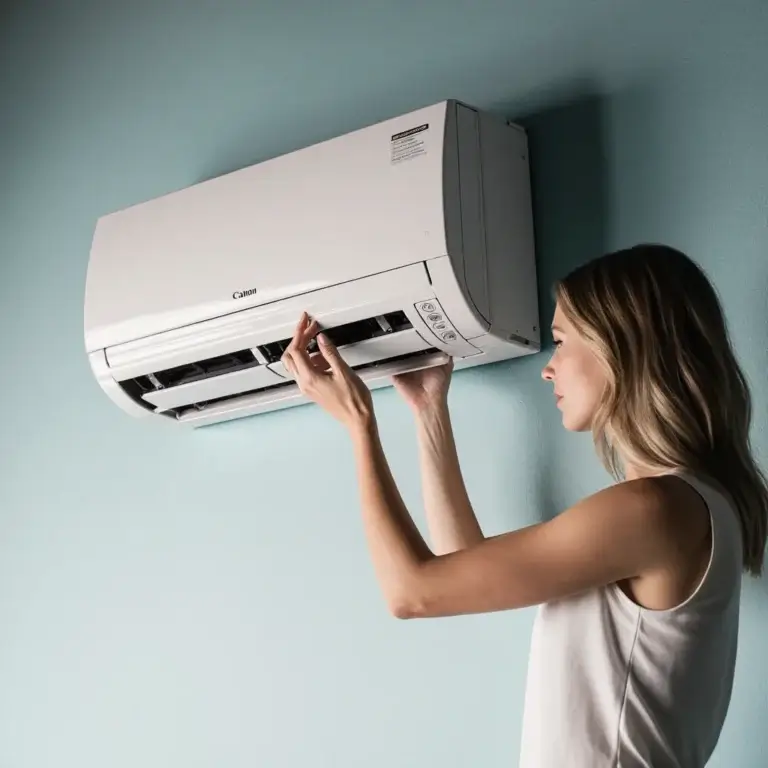
The location of indoor units is another critical factor. Indoor units should be installed in strategic locations that allow for proper distribution of cool or warm air. Installation directly in front of heat sources, such as radiators or appliances, should be avoided, and good air circulation should be ensured. The height of the indoor unit is also important; generally, it is installed at a height of 2 meters from the floor for uniform air distribution. Attention should be paid to aesthetics and the integration of indoor units into the interior design of the space.
Refrigerant piping is a technical aspect requiring special care. Copper tubes are used, insulated with specific materials to prevent condensation and ensure refrigerant integrity. The maximum length of copper tubes is limited by regulations (generally, 15 meters per circuit) to ensure proper system operation. Proper tube ventilation is essential to prevent moisture buildup and ensure system efficiency. Thermal insulation of the tubes is crucial to minimize heat or cold loss.
Refrigerant connections should be performed using appropriate tools and procedures, following manufacturer recommendations. Specialized tools are used to solder or connect copper tubes, and a leak test with a gas detector should be performed to ensure system tightness. Proper system purging is essential to remove air and moisture that may have entered during installation. The refrigerant charge must be verified, following manufacturer specifications and current regulations. The Spanish regulation, such as the RITE (Regulations for Thermal Installations in Buildings), establishes specific requirements for the installation of climate control systems, including refrigerant connections and system safety.
Preventive maintenance is fundamental to ensuring the efficiency and durability of the multisplit system. Periodic cleaning of air filters, inspection of the outdoor unit, and verification of refrigerant pressure should be performed at least once a year. Regular maintenance can prevent costly technical problems and prolong the system’s lifespan. Furthermore, it is important to ensure the system is correctly configured and optimized for energy consumption.
Improper installation of a multisplit system can have serious consequences, such as loss of energy efficiency, refrigerant leaks, compressor failures, and safety issues. Insufficient insulation, incorrect wiring, or poor system configuration can significantly reduce performance and increase energy consumption. Additionally, refrigerant leaks can be detrimental to the environment and may require costly repairs.
Proper execution of multisplit installation requires qualified and certified personnel. Professional certification ensures that the installer possesses the knowledge and skills necessary to perform the installation safely and efficiently, complying with current regulations. A certified professional can also provide technical advice and resolve any issues that may arise during installation or system operation.
If you are considering installing a multisplit system, we strongly recommend contacting qualified and certified professionals. Professional installation will guarantee optimal performance, a long service life, and avoid costly technical problems. Do not hesitate to request quotes from several installers and compare their offers before making a decision.