
Ducted HVAC Systems: Air Distribution Optimization for Commercial Spaces
Advantages and Key Considerations in Centralized Climate Control Installation
Ducted HVAC systems represent a robust and efficient solution for centralized climate control in commercial buildings, offering precise temperature and air quality control across multiple zones. Unlike split system air conditioning or window units, ducted systems distribute treated air through a network of ducts, providing uniform distribution and minimizing temperature fluctuations. Proper selection and installation are crucial to ensure optimal performance and energy efficiency.
A primary advantage of ducted HVAC systems is their ability to provide uniform air distribution. This is achieved through precisely designed ductwork, allowing for individual airflow control in each zone. Ducts are typically manufactured from galvanized steel, aluminum, or insulated materials to minimize heat or cold loss and ensure energy efficiency. Duct material selection depends on factors such as budget, building size, and specific insulation needs.
The capacity of the air handling units (AHUs), also known as air treatment units (ATUs), is a critical factor in system design. AHUs must be sized based on the air volume to be treated, ambient temperature, and heat loss or gain of the building. Modern AHUs often incorporate high-efficiency fans, advanced air filters (such as HEPA filters for improved indoor air quality) and humidifiers or dehumidifiers to control relative humidity. The energy efficiency of AHUs is measured by the Coefficient of Performance (COP) and the Seasonal Energy Efficiency Ratio (SEER). Newer models can achieve SEER ratings exceeding 12, resulting in significant energy cost savings.
Duct installation requires meticulous planning and strict adherence to local and national regulations. It is essential to ensure ducts are properly sealed to prevent air leakage, which can reduce energy efficiency and affect indoor air quality. Duct sound attenuation is also important to minimize noise transmitted to conditioned zones. Sound-absorbing materials and insulation techniques are used to reduce noise to acceptable levels. In Spain, the CTE (Código Técnico de la Edificación) establishes specific requirements for ventilation and climate control, including energy efficiency and indoor air quality.
The ductwork network configuration is another key aspect of installation. Different types of ducts can be used, such as main ducts, distribution ducts, and return ducts, to optimize airflow and ensure uniform distribution. The location of supply and return grilles should be carefully designed to prevent air currents and ensure uniform air distribution. System automation, through the use of programmable thermostats and centralized control systems, allows for performance optimization and energy consumption reduction. Modern systems often integrate occupancy sensors to adjust temperature and airflow based on occupancy in each zone.
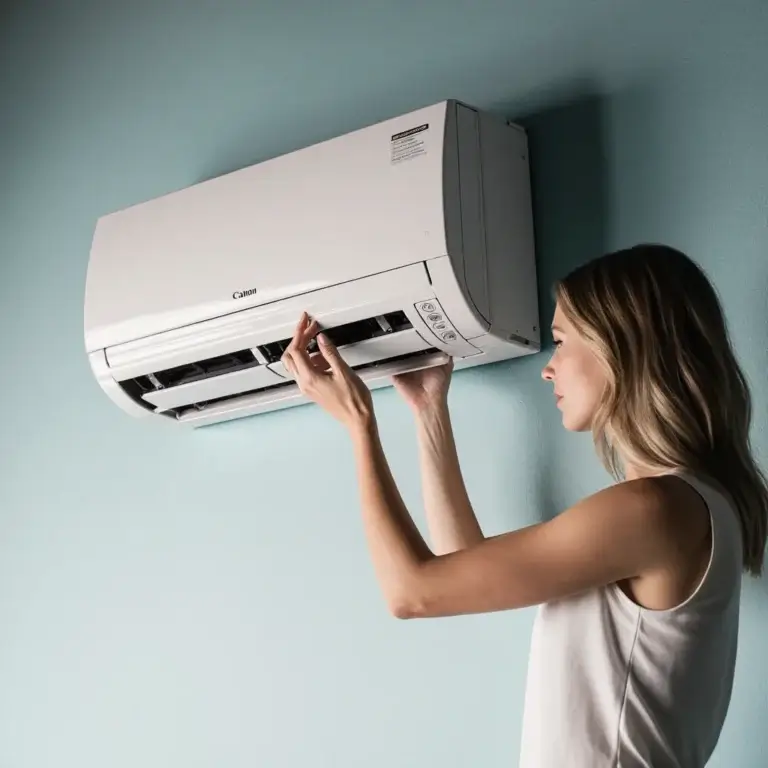
Regular maintenance of ducted HVAC systems is essential to ensure efficiency and prolong their lifespan. This includes cleaning or replacing air filters, inspecting and cleaning ducts, and reviewing mechanical components. Proper maintenance can prevent major problems and reduce repair costs. Professional duct inspection and cleaning should be performed every 3-5 years, depending on environmental conditions and building usage.
Installation of ducted HVAC systems requires specialized technical knowledge and experience in ventilation system design and construction. It is crucial to engage qualified professionals who can ensure proper and efficient installation. The initial investment may be higher than other climate control systems, but the long-term benefits in terms of energy efficiency, comfort, and indoor air quality justify the investment. To ensure proper installation and optimize the performance of your ducted HVAC system, we recommend contacting specialized and certified technicians.