Ducted HVAC Systems: Optimizing Air Distribution for Commercial Spaces
Advantages and Technical Considerations in Centralized HVAC Installation
Ducted HVAC systems represent a robust and efficient solution for climate control in commercial spaces, offering uniform and controlled air distribution. Unlike directional air conditioning systems, ductwork allows for precise temperature and humidity management in multiple zones, ensuring occupant comfort and optimizing energy consumption. Proper planning and execution of the installation are crucial for achieving maximum performance and preventing future issues.
The design of a ducted HVAC system begins with a detailed analysis of the building’s thermal needs. Factors such as surface area, height, orientation, thermal insulation, and occupancy levels must be considered. This analysis determines the required capacity of the refrigeration equipment (typically chillers or absorption units) and the appropriate duct size. It is essential to comply with energy efficiency regulations, such as Directive 2010/30/EU (now superseded by Directive 2018/1153), which establish minimum performance requirements for HVAC equipment and systems. Material selection for ductwork, such as aluminum or galvanized steel, should consider corrosion resistance and thermal insulation.
Air distribution through the ductwork is a critical aspect. Different types of ducts are used: main ducts (larger diameter, transporting air to different zones), branch ducts (distributing air to individual rooms), and return ducts (collecting air back to the system). The ductwork layout should minimize pressure drop, which is the resistance the air encounters as it flows through the system. Simulation software (such as DuctSoft or Trane TRACE 700) is employed to model the system and optimize duct size and layout. Proper duct sizing, considering air velocity and duct type, is essential to avoid noise and ensure uniform distribution.
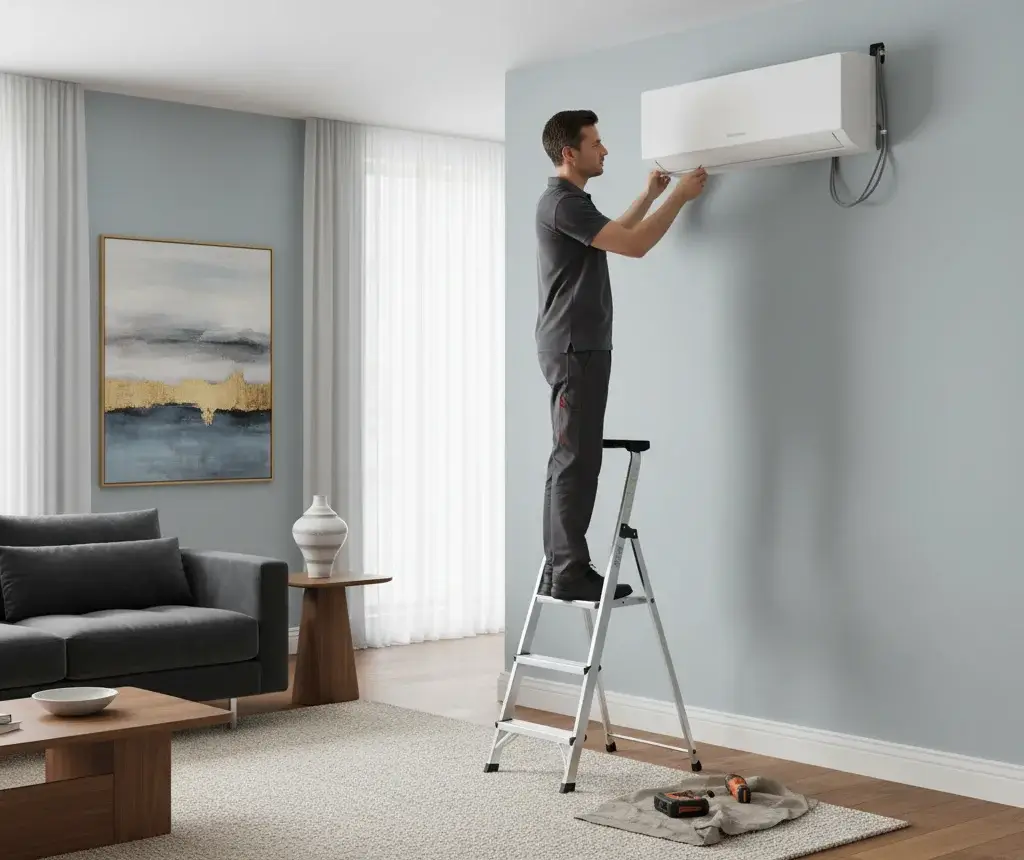
Duct installation involves several stages. First, a support structure for the ductwork is constructed. Then, the ducts are installed, using appropriate supports and ensuring proper thermal and acoustic insulation. Duct sealing quality is crucial to prevent air leaks, which can significantly reduce system efficiency. Special sealants and sealing tapes are used to ensure airtight sealing. It is important to remember that installation must comply with occupational safety regulations, including the use of personal protective equipment and proper signage of work areas. UNE 17007 specifies the requirements for duct system installation.
The configuration of diffusers and return grilles is crucial for energy efficiency and comfort. Diffusers should be designed to distribute air uniformly, avoiding direct air streams that can cause discomfort. Return grilles should be strategically located to ensure proper air circulation and prevent dust and debris accumulation. Incorporating variable air volume (VAV) systems allows adjusting the amount of air supplied to each zone based on its needs, optimizing energy consumption. VAV systems, often controlled by Building Management Systems (BMS), are a long-term investment.
Preventive maintenance is essential to ensure the efficiency and longevity of the ducted HVAC system. Regular inspections should be performed to detect air leaks, clean filters, and check the condition of the refrigeration equipment. Duct cleaning is vital to prevent the accumulation of dust, mold, and bacteria, which can affect indoor air quality. Cleaning frequency depends on building type and environment. Harmonized European standard EN 15265 defines the requirements for duct cleaning and maintenance.
In summary, installing ducted HVAC systems requires careful planning, precise execution, and regular maintenance. Optimizing air distribution, selecting efficient equipment, and complying with energy regulations are key to achieving a climate control system that ensures comfort, efficiency, and sustainability.
For proper implementation of ducted HVAC systems, we recommend contacting qualified professionals with demonstrable experience in the sector. A technical engineer can analyze your specific needs and design a customized solution that meets your requirements and budget.