Ducted HVAC Systems: Air Distribution Optimization for Commercial Spaces
Advantages and Technical Considerations in Centralized Climate Control Installation
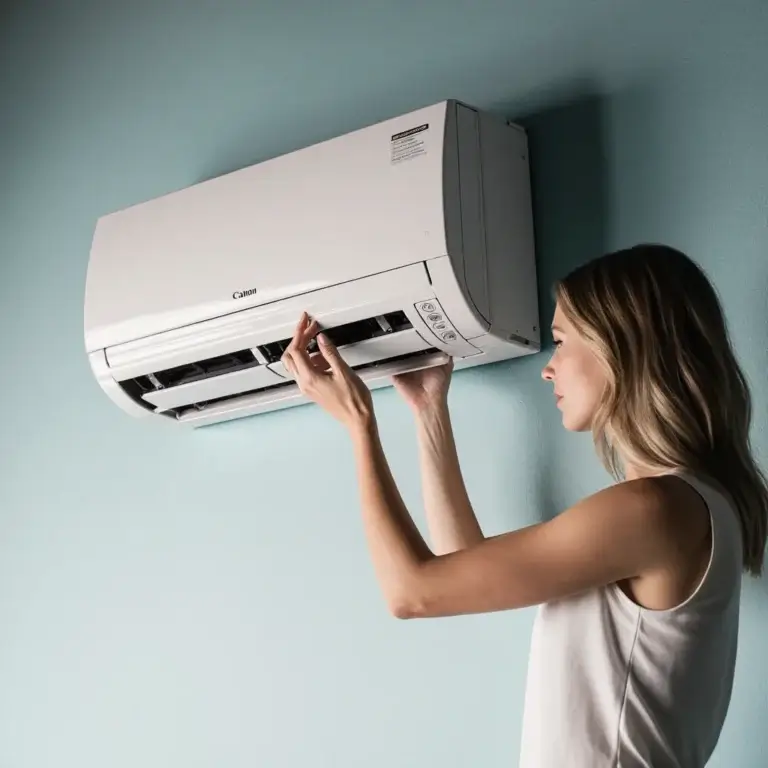
Ducted HVAC systems represent a robust and efficient solution for centralized climate control in commercial spaces, offering precise control of temperature, humidity, and air quality. Unlike directional air conditioning systems, air distribution through a ductwork network allows for uniform and discreet climate control, ideal for offices, shopping malls, hospitals, and other large buildings. Proper planning and execution of the installation are crucial to ensure optimal performance and energy efficiency of the system.
One of the primary advantages of ducted HVAC systems is the ability to modulate the amount of air supplied to each zone using dampers. These dampers, controlled by a centralized management system (Building Management System – BMS), allow for temperature adaptation to the specific needs of each space, preventing overheating or excessive cooling. The choice of duct type is fundamental. Galvanized steel ducts are common due to their durability and corrosion resistance, while fiberglass insulated ducts offer excellent thermal and acoustic insulation, reducing energy losses and minimizing system noise.
Energy efficiency in ducted HVAC systems is achieved through several strategies. Return air recirculation, combined with an efficient filtration system, reduces the need to extract fresh air from the outside, thereby decreasing the energy load. The implementation of variable frequency drives (VFDs), controlled by an advanced control system, allows adjustment of fan speed according to actual cooling demand, optimizing energy consumption. Furthermore, proper thermal insulation of the ducts is essential to minimize heat or cold loss, especially in extreme climates. It is important to consider the MEP 2020 regulations to ensure compliance with energy efficiency requirements during installation.
The installation of a ducted HVAC system requires meticulous planning and consideration of various technical factors. The ductwork design should be performed using simulation software (such as DuctSoft or Carrier HAP) to ensure uniform air distribution and minimize pressure losses. Proper duct sizing is critical: an undersized duct will limit airflow and reduce system efficiency, while an oversized duct will increase energy consumption. Special attention should be paid to the location of air handling units (AHUs) and the correct connection of ducts to indoor units (diffusers, grilles).
Indoor air quality (IAQ) is a crucial aspect of commercial spaces. Ducted HVAC systems should be equipped with high-efficiency air filters (such as MERV 13 or higher filters) to remove pollutants, dust, pollen, and other allergens. Controlled humidification and dehumidification of the air also contribute to improving IAQ and occupant comfort. It is essential to perform regular filter and duct cleaning maintenance to ensure air quality and prevent mold and bacteria accumulation.
The installation of a ducted HVAC system must comply with local and national regulations. In Spain, compliance with the Ministerial Order of November 16, 2013, which develops Royal Decree 229/2007 of December 15, establishing minimum energy efficiency requirements for buildings is required. Furthermore, compliance with labor safety regulations and local building codes is important. Certification of the installation by a competent technician ensures that the system meets technical and safety requirements.
Proper installation and maintenance of ducted HVAC systems require experience and specialized knowledge. Hiring a qualified and certified professional is essential to ensure optimal performance, energy efficiency, and system safety. Regular preventative maintenance, including duct cleaning, filter inspection, and refrigerant pressure checks, will prolong the system’s lifespan and prevent costly breakdowns. For an accurate assessment of your needs and a tailored climate control solution, contact our specialized engineers.