Ducted HVAC Systems: Optimizing Air Distribution for Commercial Spaces
Advantages and Technical Considerations in Centralized Climate Control Installation
Ducted HVAC systems represent a robust and efficient solution for climate control in large commercial spaces such as offices, shopping malls, hospitals, and hotels. Unlike directional air conditioning systems, ducted climate control offers a more uniform and controlled air distribution, resulting in enhanced thermal comfort and improved indoor air quality (IAQ). This article focuses on the key technical aspects of installing these systems, addressing advantages, design considerations, and optimization for optimal energy performance.
The primary advantage of ducted HVAC systems is their ability to provide a consistent and pre-defined air distribution. Air, pre-treated (filtered, heated, or cooled) in the central unit, is distributed through a network of ducts that extend throughout the building. This precisely designed network allows for temperature and humidity control in different zones, adapting to the specific needs of each area. Temperature uniformity is crucial in commercial environments, where occupant comfort and the preservation of sensitive equipment are paramount. The Spanish regulation, specifically Royal Decree 229/2007 on energy efficiency in buildings, requires appropriate design of HVAC systems to minimize energy consumption and ensure optimal comfort.
The design of the ductwork network is a critical aspect that directly impacts system efficiency. Correct duct sizing is essential to ensure adequate airflow and minimize pressure drops. Simulation software, such as Carrier HAP or Trane TRACE, is used to model the system and optimize duct geometry, considering length, diameter, and inclination. Improper sizing can result in excessive energy consumption, increased noise levels, and uneven air distribution. The standard UNE-EN 15192 establishes the requirements for the design, installation, and verification of low-energy HVAC systems, providing guidance for optimizing energy performance.
The selection of duct materials is also important. Galvanized steel ducts are the most common, but materials such as aluminum or plastic are also used for specific applications. The choice of material should consider corrosion resistance, acoustic insulation, and thermal properties. Adequate insulation is crucial to reduce heat or cold loss and minimize noise transmitted to occupied spaces. Insulating materials with low thermal conductivity, such as rock wool or expanded polyurethane, are used, with a thickness appropriate for local climate conditions. Furthermore, the fire resistance of the materials used must be considered, complying with fire safety regulations.
The configuration of the central unit and ductwork network can vary depending on building needs. There are different types of air distribution systems, such as plenum distribution, raised floor distribution, and suspended ceiling distribution. The choice of system depends on the building architecture, space layout, and comfort requirements. System automation, through the use of programmable thermostats and centralized control systems, allows for optimization of system operation and reduced energy consumption. These systems can adjust temperature and airflow based on occupancy, time of day, and outdoor weather conditions.
Finally, proper duct installation is fundamental to ensure system performance. Installation should be performed according to manufacturer recommendations and local regulations. It is important to ensure ductwork airtightness to prevent air leaks and minimize pressure drops. Appropriate sealing materials are used, and pressure tests are performed to verify system airtightness. Diffuser and grille calibration is crucial to ensure uniform air distribution and avoid uncomfortable drafts. Regular preventative maintenance, including filter cleaning and duct inspection, is essential to ensure system efficiency and durability.
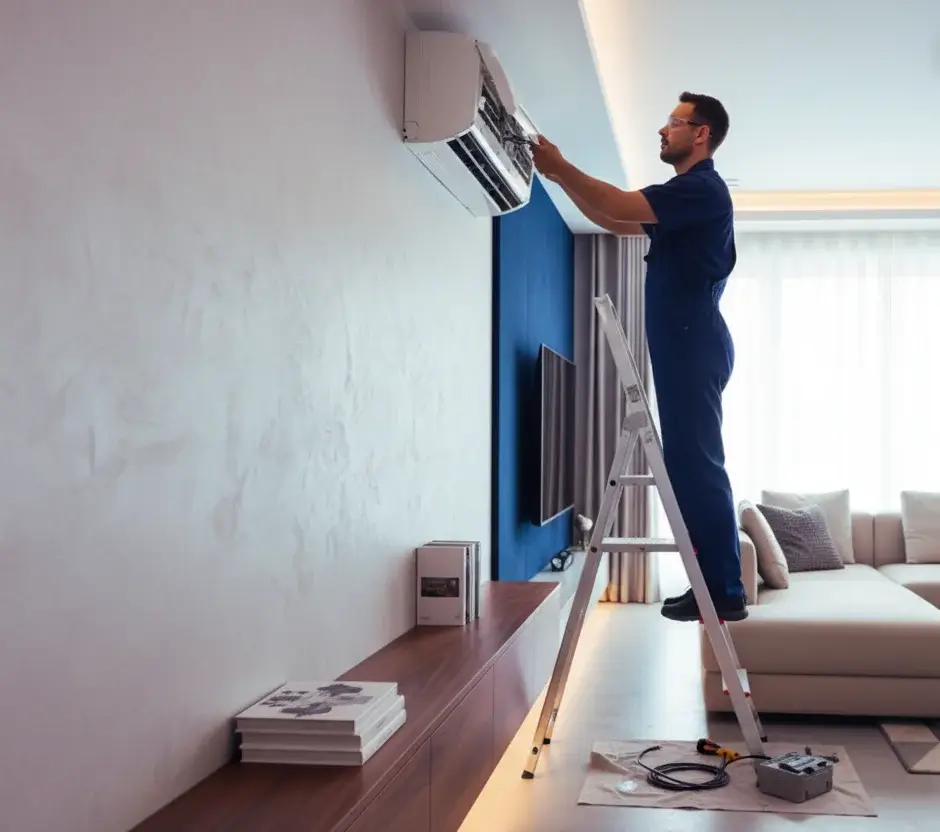
The installation of ducted HVAC systems requires the experience and expertise of qualified professionals. Improper installation can result in poor energy performance, increased noise levels, and uneven air distribution. If you are considering the installation or optimization of a ducted HVAC system in your commercial building, we recommend contacting a specialized HVAC company that can provide a tailored solution and ensure optimal performance.