Ducted HVAC Systems: Air Distribution Optimization for Commercial Spaces
Advantages and Technical Considerations in Centralized Climate Control Installation
Ducted HVAC systems represent a robust and efficient solution for climate control in large commercial spaces, such as offices, shopping malls, hospitals, and hotels. Unlike directional air conditioning systems, centralized climate control offers a more uniform and controlled air distribution, contributing to superior thermal comfort and enhanced energy efficiency. Proper planning and installation execution are crucial to maximize benefits and avoid future issues.
One of the primary advantages of ducted systems is the ability to provide uniform heating and cooling throughout the covered area. This is achieved through a network of ducts that distributes air via strategically located registers and diffusers. Proper duct type selection is fundamental: metallic ducts, generally galvanized steel or aluminum, offer greater durability and corrosion resistance, while fiberglass ducts provide superior acoustic insulation, reducing system noise. Precise calculation of duct dimensions and slope is essential to ensure optimal airflow and minimize pressure drop. Air velocities recommended by manufacturers such as Carrier or Daikin typically range from 1.5 to 2.5 m/s in branches and 2.0 to 3.0 m/s in main ducts.
The installation of a ducted HVAC system involves several critical stages. It begins with system design, which must consider the building’s thermal load, space distribution, location of air handling units (AHUs), and desired energy efficiency. The AHU, housing the system’s main components (compressor, evaporator, condenser, and filters), is typically located on the roof or in a dedicated technical space. Connecting the AHU to the ductwork requires meticulous planning to minimize pressure drop and ensure uniform air distribution. It is essential to use appropriate duct insulation with a thermal resistance (R-value) greater than R-13 to prevent heat or cold loss. Proper sealing of duct joints and connections is crucial to prevent air leaks, which can significantly affect system efficiency.
Energy efficiency is a primary consideration in ducted HVAC system installation. Utilizing inverter-driven AHUs, such as those offered by Mitsubishi Electric or LG, allows for compressor capacity adjustment based on actual cooling or heating demand, reducing energy consumption. Implementing heat recovery systems, which utilize residual heat from exhaust air to precool or preheat incoming air, can significantly improve system efficiency. Furthermore, installing zone control systems, which allow for individual temperature regulation in each zone, optimizes thermal comfort and reduces energy consumption. Compliance with Spanish regulations, such as Royal Decree EFE/362/2005, which establishes minimum energy efficiency requirements for HVAC systems, is important.
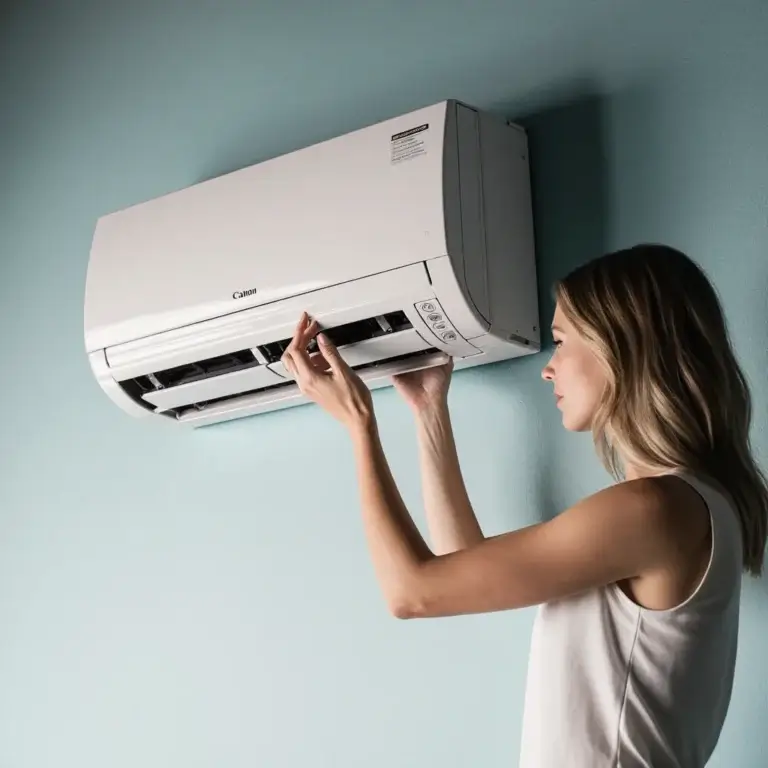
Regular maintenance is essential to ensure system efficiency and longevity. This includes periodic cleaning or replacement of air filters, inspection and cleaning of ductwork, review of connections and joints, and verification of the proper functioning of mechanical and electrical components. A preventative maintenance program, performed by qualified technicians, can prevent costly breakdowns and extend system lifespan. Proper calibration of thermostats and control systems is crucial to ensure optimal thermal comfort and avoid excessive energy consumption.
In summary, installing a ducted HVAC system requires careful planning, precise execution, and regular maintenance. Selecting high-quality components, optimizing air distribution, and implementing energy-efficient technologies are crucial to maximize benefits and minimize operating costs. If you are considering installing or maintaining a ducted HVAC system, we recommend contacting qualified and experienced professionals in the field. Proper execution will ensure superior thermal comfort and optimal energy efficiency for your commercial space.