Ducted HVAC Systems: Air Distribution Optimization for Commercial Spaces
Technical Analysis of Centralized System Installation and Performance
Ducted HVAC systems represent a robust and efficient solution for climate control in large commercial spaces such as offices, shopping malls, hospitals, and hotels. Their design and installation require meticulous planning to ensure uniform air distribution, precise temperature and humidity control, and optimal energy efficiency. This article addresses the advantages, key considerations, and crucial technical aspects in the installation of these systems.
Unlike directional air conditioning systems, ducted systems distribute conditioned or heated air through a network of concealed ducts within walls, ceilings, or floors. This distribution allows for more uniform and quieter climate control, minimizing direct disruption to occupants. Ducts are typically manufactured from galvanized aluminum or galvanized steel, with adequate thermal insulation to reduce heat or cold loss. Ductwork size and configuration are rigorously calculated using HVAC design software, considering the space’s thermal load, desired air velocity, and building characteristics.
The selection of duct type is a critical factor. Rectangular ducts are common in new construction, while round ducts are often used in retrofits or spaces with space limitations. The air velocity within the ducts must be maintained within the limits recommended by ASHRAE (American Society of Heating, Refrigerating and Air-Conditioning Engineers) to minimize pressure drop and noise. Excessive velocity can generate considerable noise, while insufficient velocity can compromise air distribution.
The design of the air distribution system involves the correct placement of supply and return registers. Supply registers should be strategically positioned to ensure uniform air distribution, avoiding direct air streams and hot or cold spots. Return registers should be located to allow efficient extraction of stale air without disrupting the airflow to the supply registers. The Spanish regulation, specifically Royal Decree 229/2005 on energy efficiency in buildings, establishes minimum insulation requirements for ducts and efficiency standards for HVAC equipment, aiming to reduce energy consumption.
The energy efficiency of a ducted HVAC system depends on several factors, including duct insulation quality, compressor equipment efficiency, proper air filter operation, and precise temperature and humidity control. Modern systems incorporate VAV (Variable Air Volume), which adjusts airflow based on zone demand, optimizing energy consumption. Furthermore, the implementation of heat recovery systems, such as cross-flow heat exchangers, allows recovery of heat from exhaust air and its use to precool incoming air, significantly reducing energy consumption. Brands like Carrier, Daikin, and Trane offer advanced VAV and heat recovery solutions.
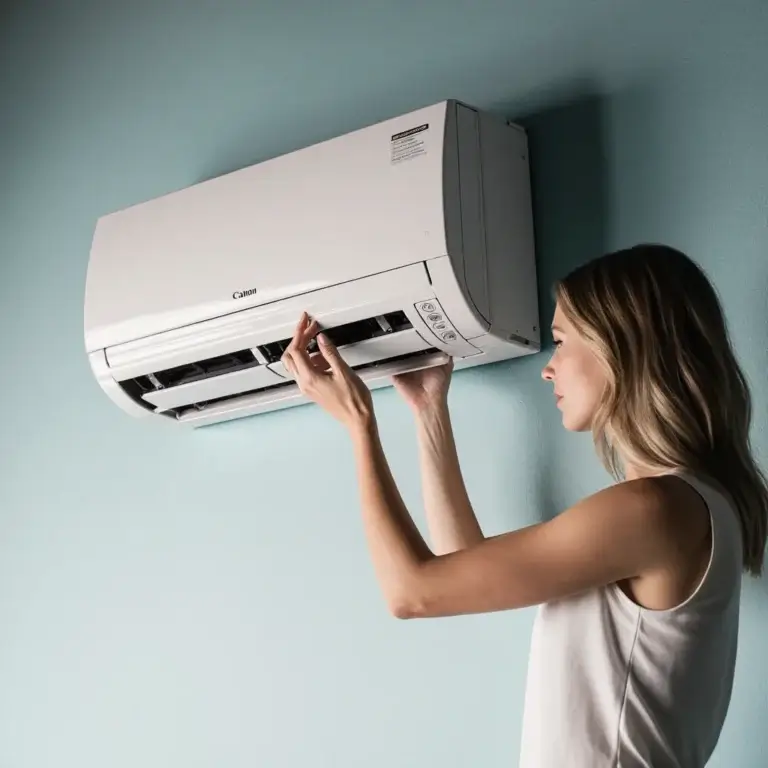
Preventive maintenance is essential to ensure the performance and longevity of a ducted HVAC system. This includes regular duct cleaning to remove dust and debris, filter inspection and cleaning, inspection of connections and valves, and verification of sensor and control functionality. ISO 9001 certification in maintenance services ensures quality and reliability of interventions. Proper maintenance can extend the system’s lifespan, reduce repair costs, and improve indoor air quality.
In conclusion, the installation of ducted HVAC systems requires careful planning, precise execution, and regular maintenance. Optimizing air distribution, selecting efficient equipment, and implementing advanced control systems are key to ensuring optimal comfort, superior energy efficiency, and a healthy indoor environment. Engaging qualified and certified professionals for the installation and maintenance of these systems is strongly recommended.