Ducted HVAC Systems: Air Distribution Optimization for Commercial Spaces
Advantages and Technical Considerations in Centralized Climate Control Installation
Ducted HVAC systems represent a robust and efficient solution for climate control in commercial spaces, offering uniform air distribution and precise temperature and humidity control. Unlike directional air conditioning systems, ductwork enables centralized climate control, ideal for office buildings, shopping malls, hospitals, and other facilities requiring consistent thermal comfort in large areas.
One of the primary advantages of ducted systems is the ability to distribute air uniformly throughout a network of ducts, minimizing cold or hot spots. This distribution is achieved through strategically located diffusers and grilles that control the direction and velocity of the airflow. Proper selection of these components is crucial to ensure system efficiency and avoid drafts.
In terms of energy efficiency, modern ducted systems, especially those equipped with high-efficiency fans and heat recovery systems, can achieve significantly higher efficiencies than traditional air conditioning systems. Heat recovery allows the reuse of exhaust air heat to preheat incoming air, reducing energy demand and, consequently, operating costs. Certifications such as AHRI (Air Conditioning, Heating & Refrigeration Institute) guarantee compliance with energy performance standards.
The installation of a ducted HVAC system requires meticulous planning and precise design. Correct duct sizing is fundamental to ensure adequate airflow and avoid excessive pressure drops. Specialized computer-aided design (CAD) software is used to model the system and optimize duct size and layout. Furthermore, duct sound attenuation is essential to reduce noise transmitted to the interior space, complying with current acoustic regulations, such as the Energy Efficiency and Energy Use Optimization Law 37/2007, November 12th, which establishes specific requirements for noise reduction in climate control systems.
The construction materials of the ducts also influence system performance. Galvanized steel ducts are common due to their durability and corrosion resistance, while aluminum-coated fiberglass ducts offer improved thermal and acoustic insulation. Thermal insulation is crucial to minimize heat or cold loss and maintain a stable temperature in the conditioned space. The insulation thickness must meet technical specifications and local regulations.
The control system configuration is another important aspect. Modern systems utilize programmable thermostats and centralized control systems to regulate temperature and airflow in different zones of the building. These systems can be integrated with building management systems (BMS) to optimize energy consumption and improve occupant comfort. The implementation of occupancy sensors allows for adjusting climate control based on occupancy, reducing energy consumption in infrequently used areas.
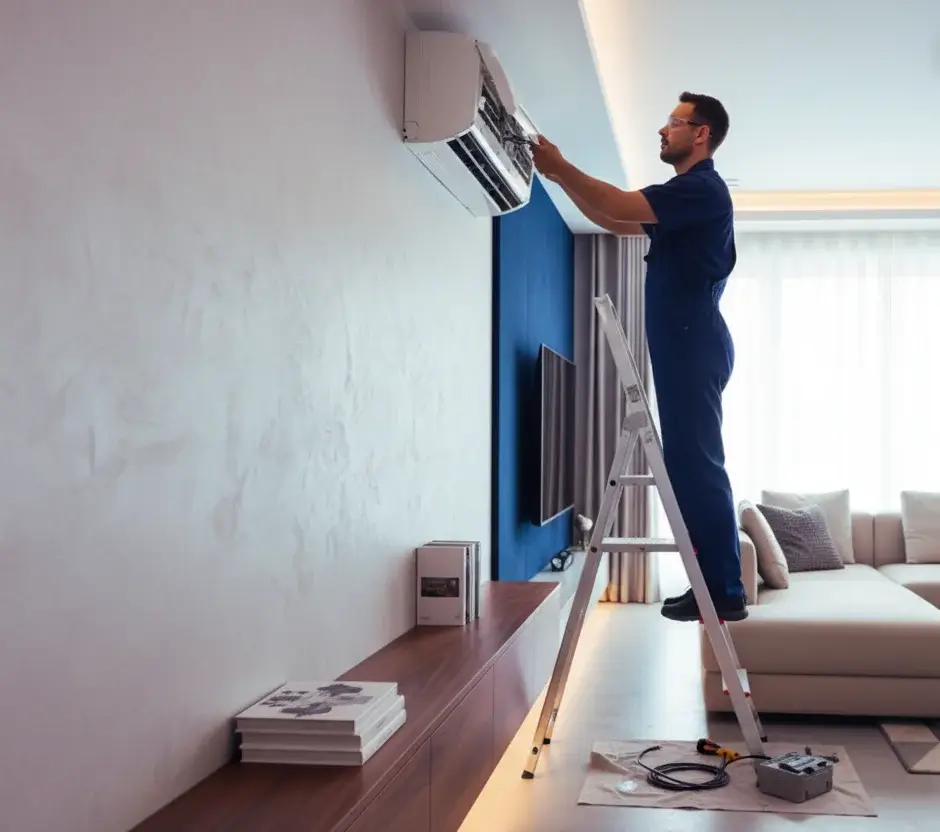
Finally, regular maintenance is essential to ensure system efficiency and longevity. This includes periodic duct cleaning, filter replacement, and inspection of fans and electrical components. A well-defined preventive maintenance program can prevent costly breakdowns and extend the system’s lifespan. It is recommended to follow manufacturer recommendations and engage a qualified technician for maintenance tasks.
The proper installation and maintenance of a ducted HVAC system require specialized technical knowledge and expertise. If you are considering installing or optimizing your climate control system, we recommend contacting qualified professionals who can offer a tailored solution that meets your needs and budget. A detailed analysis of your requirements and professional design are key to ensuring an efficient, comfortable, and sustainable system.