Ducted HVAC Systems: Optimizing Air Distribution for Commercial Spaces
Advantages and Technical Considerations in Centralized Climate Control Installation
Ducted HVAC systems represent a robust and efficient solution for centralized climate control in commercial spaces, offering uniform air distribution and precise temperature and humidity control. Meticulous design and technical execution are crucial to ensure optimal performance and long-term energy efficiency. This article focuses on the advantages and key considerations during the installation of these systems, analyzing technical aspects that directly impact indoor air quality and operating costs.
One of the primary advantages of ducted HVAC is its ability to provide uniform air distribution throughout the space. Unlike directional air conditioning systems, ductwork allows centralized air conditioning to be distributed through a network of ducts, reaching all areas consistently. This is particularly important in large spaces such as offices, shopping centers, or hospitals, where homogeneous thermal comfort is required.
The selection of duct material is a critical factor. Galvanized steel ducts are common due to their durability and corrosion resistance, while aluminum ducts offer greater thermal efficiency and lower weight. The choice depends on factors such as budget, local regulations, and building characteristics. It is essential to consider duct thermal insulation, typically using materials such as rock wool or expanded polyurethane, to minimize heat or cold loss and optimize energy efficiency. The insulation thickness should be calculated based on the expected maximum and minimum outdoor temperatures, as well as conduction and convection losses. Spanish regulations such as Order ENE/1998/1137 establish minimum insulation requirements for ducts.
The design of the ductwork network is a complex technical aspect requiring a thorough analysis of airflow and static pressure. Computational Fluid Dynamics (CFD) simulation programs are used to model air behavior within the ducts and optimize distribution. Proper duct sizing is essential to avoid overpressure and ensure adequate airflow to each zone. Air velocity within the ducts should be maintained within recommended limits to avoid noise and energy losses due to friction. Accessories such as elbows, joints, and diffusers must be considered for pressure drop.
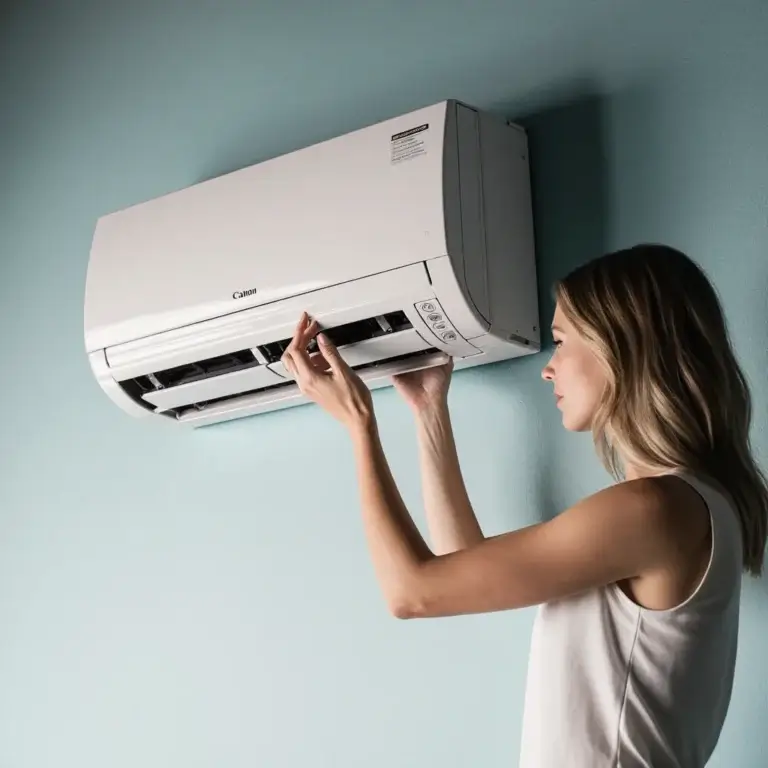
The installation of air handling units (AHUs) is another crucial aspect. AHUs are the heart of the ducted HVAC system, responsible for cooling, heating, and filtering the air. Modern AHUs incorporate technologies such as high-efficiency scroll compressors and heat recovery systems to reduce energy consumption. Proper ductwork connection to the AHU and filter configuration are essential for ensuring indoor air quality. High-efficiency filters (MERV 13 or higher) should be used to remove contaminants and improve occupant health.
Automation of the ducted HVAC system is essential to optimize performance and reduce operating costs. Smart control systems allow temperature and airflow to be adjusted based on occupancy, time of day, and weather conditions. Integration with building management systems (BMS) enables centralized monitoring and control of the entire system. Temperature, humidity, and CO2 sensors are used to automatically adjust the climate control and ensure optimal comfort. Implementing zoning systems allows temperature control of different areas of the building independently, reducing energy consumption in unoccupied zones.
Finally, commissioning and calibration of the system are crucial to ensure proper operation. Airflow tests, pressure measurements, and sensor calibration should be performed to verify that the system meets design specifications. Training of maintenance personnel is essential to ensure the system’s long-term durability and efficiency. Regular preventative maintenance is important, including duct cleaning, filter inspection, and verification of component functionality.
Installation of ducted HVAC systems requires specialized technical knowledge and experience in the design and execution of these systems. Contracting a qualified and certified professional, such as those offered by our company, guarantees an efficient, durable, and environmentally responsible system. Contact us for a customized quote and technical advice.