Ducted HVAC Systems: Air Distribution Optimization for Commercial Spaces
Technical Analysis of Centralized System Installation and Performance
Ducted HVAC systems represent a robust and efficient solution for climate control in large commercial spaces such as offices, shopping malls, hospitals, and hotels. Unlike self-contained air conditioning systems, centralized systems offer a more uniform and controlled air distribution, resulting in enhanced thermal comfort and optimized energy consumption. Proper planning and execution of the installation are crucial to ensure optimal performance and prevent long-term issues.
The efficiency of a ducted HVAC system fundamentally depends on the ductwork network design, the selection of air handling units (AHUs), and the proper management of air distribution. Proper duct sizing is essential to minimize pressure drop and ensure sufficient airflow to each zone. Simulation software such as Carrier HAP or Trane TRACE are used to perform these calculations, considering factors such as duct length, diameter, air velocity, and flow resistance.
Air Handling Units (AHUs) are the core of the system. These units filter, cool, or heat the air and distribute it through the ductwork network. There are different types of AHUs, including open-cascaded AHUs, closed-cascaded AHUs, and energy recovery AHUs. Energy recovery AHUs are particularly efficient as they recover heat from the exhaust air to preheat or precool the incoming air, thereby reducing energy consumption. Modern AHUs incorporate advanced control systems, such as Variable Air Volume (VAV), which adjust airflow based on zone demand, optimizing consumption and comfort.
Air distribution is another key factor. The strategic placement of supply registers and diffusers is crucial to ensure uniform air distribution and avoid uncomfortable drafts. Building characteristics such as ceiling height, furniture layout, and the presence of heat or cold sources should be considered. The use of adjustable deflection diffusers allows for precise air flow direction, adapting to the needs of each zone.
Energy efficiency is a growing concern in commercial climate control. In addition to energy recovery AHUs, other technologies can improve efficiency, such as high-efficiency fans, low-pressure drop filters, and smart control systems. The implementation of Energy Management Systems (EMS) allows monitoring and control of the system’s energy consumption, identifying opportunities for improvement. Compliance with current regulations, such as the Building Energy Efficiency Directive (Directive 2009/138/EC) and local regulations, which establish minimum efficiency requirements for HVAC systems, is essential.
During installation, attention must be paid to duct sound attenuation to prevent noise propagation. High-density insulating materials are used, and sound damping techniques are applied. Furthermore, duct leakage sealing is important to prevent air leaks, which can reduce system efficiency and increase energy consumption. Proper grounding of the ductwork is also essential to prevent electrical hazards.
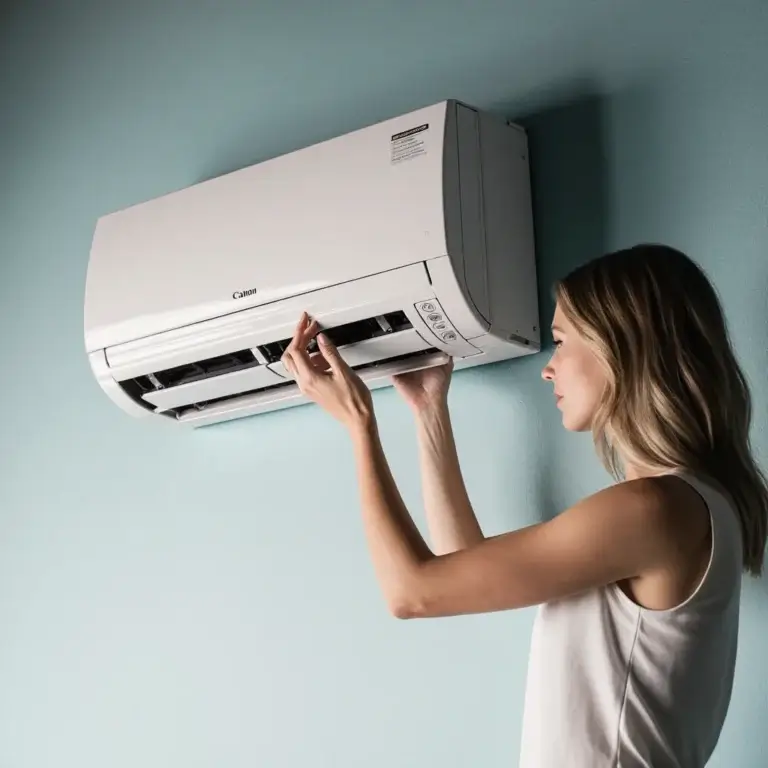
Finally, preventive maintenance is crucial to prolong the system’s lifespan and ensure optimal performance. Regular inspections of the ductwork, filter cleaning, and review of mechanical components are recommended. The use of component life-cycle-based maintenance programs allows for efficient planning of interventions and avoids unexpected breakdowns. Qualified personnel and appropriate tools are essential for performing maintenance tasks.
The proper installation and optimization of a ducted HVAC system require specialized technical knowledge and expertise in the field. If you are considering the installation or maintenance of such a system, we recommend contacting qualified and experienced professionals. An expert team can assess your specific needs, design a tailored system, and ensure its proper operation and energy efficiency.