Preventative Maintenance of Split Systems: Key Steps to Extend Lifespan and Optimize Performance
Importance of Preventative Maintenance in Split Air Conditioning Systems
Split air conditioning systems have become an indispensable element in homes and offices, providing thermal comfort year-round. However, to ensure optimal, efficient operation and extend the equipment’s lifespan, implementing a rigorous preventative maintenance program is crucial. Proper maintenance not only prevents costly breakdowns but also ensures reduced energy consumption and a healthy indoor environment.
The lifespan of a split system is directly related to the quality of maintenance. Poor installation, combined with a lack of periodic inspections, can significantly shorten its operational life and increase the likelihood of failures. The RITE (Regulations for Thermal Installations in Buildings) and the CTE (Technical Building Code) establish minimum requirements for the installation and maintenance of climate control systems, and compliance with these is fundamental to ensuring the safety and efficiency of the equipment.
Key Components of Preventative Maintenance
Preventative maintenance of a split system consists of several essential tasks that should be performed regularly. These tasks are divided into basic, intermediate, and in-depth maintenance, depending on the frequency and complexity of the inspections.
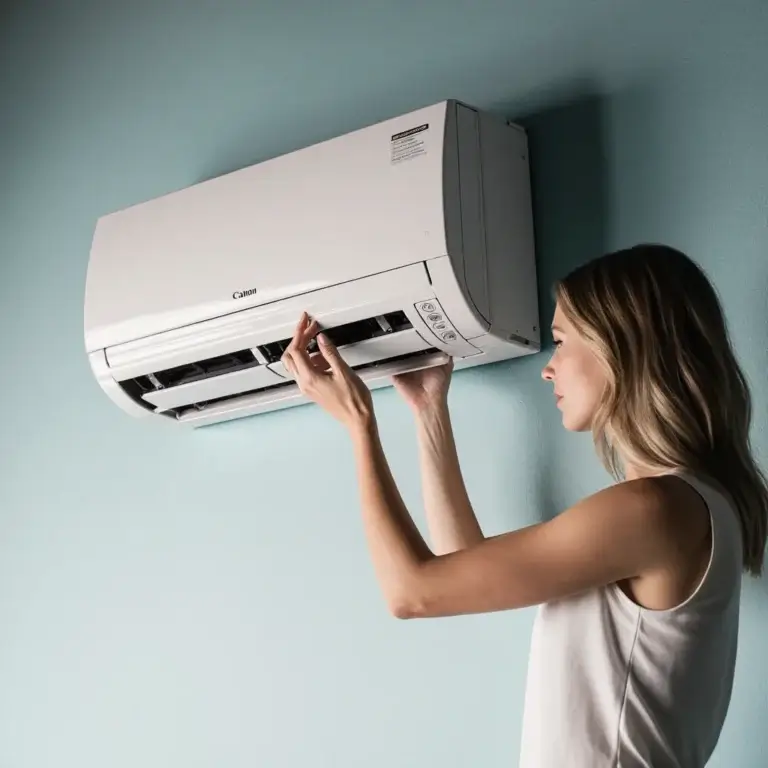
Air Filter Cleaning: This is the most fundamental and frequent step. Air filters trap dust, dirt, and other contaminants that can affect equipment performance and indoor air quality. It is recommended to clean or replace filters every 1-3 months, depending on the level of environmental pollution. A dirty filter restricts airflow, forcing the compressor to work harder, increasing energy consumption and reducing cooling capacity. High-efficiency filters (HEPA) are especially recommended for individuals with allergies or respiratory problems.
Evaporator and Condenser Coil Cleaning: Coils, both the evaporator (located in the indoor unit) and the condenser (located in the outdoor unit), are susceptible to dust and dirt accumulation, which reduces their heat exchange capacity. This accumulation translates to a decrease in equipment performance and an increase in electrical consumption. Coil cleaning should be performed at least once a year, preferably before the cooling season. Specific cleaning products are used to avoid damaging the coil fins. It is crucial to perform this task with caution and following the manufacturer’s instructions.
Inspection of Electrical Connections: Electrical connections should be reviewed periodically to detect loose connections, deteriorated cables, or signs of corrosion. A faulty electrical connection can cause short circuits, system failures, and, in extreme cases, fires. It is essential that this inspection be carried out by a qualified technician.
Refrigerant Level Verification: Refrigerant level is a critical factor for equipment performance. Low refrigerant pressure indicates a leak, which reduces cooling capacity and can damage the compressor. Verification and refrigerant recharge should be performed by authorized technicians, using the appropriate equipment and products. The use of R32, a refrigerant with low GWP (Global Warming Potential), is gaining popularity due to its lower environmental impact and higher energy efficiency.
Mechanical Component Review: It is important to review the condition of components such as fans, belts, and bearings. A faulty fan or worn belt can affect equipment performance and generate noise. Proper lubrication of bearings is essential to ensure their correct operation.
Preventative Diagnostics and Required Tools
An annual preventative diagnosis, performed by a qualified service technician, is crucial for detecting potential problems before they escalate into major breakdowns. This diagnosis includes measuring refrigerant pressure, checking compressor operation, reviewing the expansion valve, and verifying the equipment’s energy efficiency. The tools used in preventative diagnostics include pressure gauges, infrared thermometers, multimeters, and refrigerant leak detection equipment.
It is important to note that the correct execution of these tasks requires specialized technical knowledge and the use of appropriate tools. Incorrect maintenance can damage the equipment and void the warranty. Professional certification (e.g., air conditioning installer certification) is an indication of the technician’s competence and experience.
Consequences of Improper Maintenance
Inadequate maintenance can lead to various technical consequences, including: reduced equipment performance, increased energy consumption, premature compressor failure, refrigerant leaks, and indoor air quality problems. Additionally, poor maintenance can void the manufacturer’s warranty and increase repair costs.
In conclusion, investing in a regular preventative maintenance program is a smart decision that ensures the efficiency, reliability, and durability of your split air conditioning equipment. Do not wait for a problem to arise. Proper preventative maintenance is the key to enjoying optimal thermal comfort for many years.
If you need a qualified service technician for the maintenance of your air conditioning equipment, do not hesitate to contact experienced and certified professionals. A qualified technician can perform an accurate diagnosis and offer the most appropriate solutions to ensure the correct operation of your climate control system.