Optimizing Performance and Durability of Split Cooling Systems
Split cooling systems have become an essential component in residential and commercial buildings, providing thermal comfort year-round. To ensure efficient operation and prolong the lifespan of these systems, implementing a rigorous preventative maintenance program is crucial. Proper maintenance not only optimizes energy performance but also prevents costly breakdowns and ensures user safety.
Preventative maintenance of a split system is divided into several stages, from routine cleaning to comprehensive annual inspections. These tasks, performed by qualified personnel, ensure the system operates within optimal efficiency and safety parameters, complying with current regulations. It is essential to remember that incorrect installations or lack of maintenance can lead to serious consequences, including a significant reduction in energy efficiency, increased electrical consumption, and, in extreme cases, the need to replace the equipment.
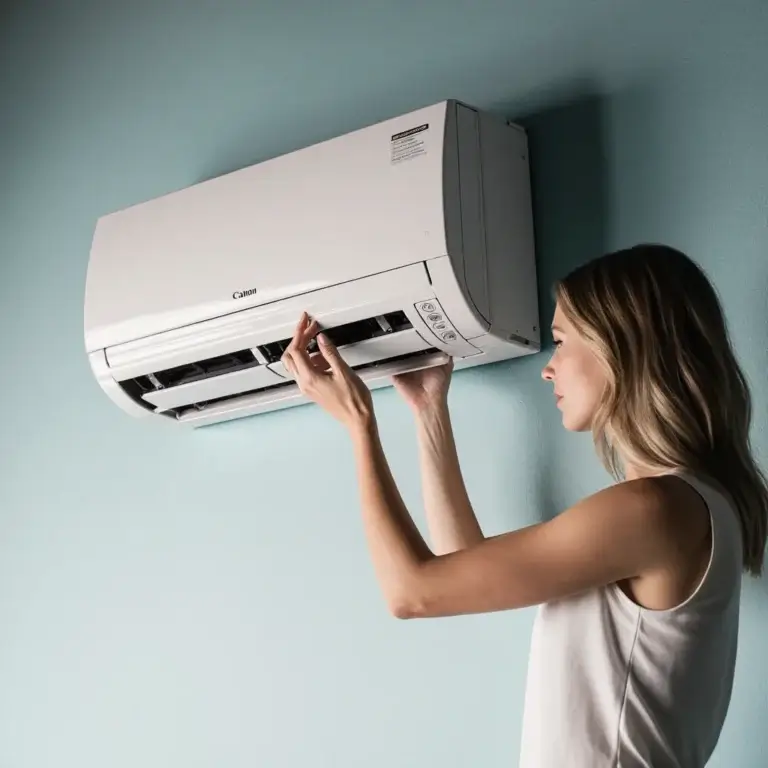
Filter Cleaning: The Foundation of Maintenance. Cleaning or replacing filters is the most basic and frequent task in split system maintenance. Filters trap dust, dirt, and other contaminants that directly affect airflow and, therefore, system efficiency. It is recommended to clean filters every 15-30 days, depending on usage frequency and environmental conditions. Using a soft-bristled vacuum cleaner or washing filters with low-pressure water and allowing them to dry completely before reinstalling is the recommended practice. Filter blockage can reduce cooling capacity by as much as 30-40%, increasing energy consumption and compressor workload.
Evaporator Inspection and Cleaning. The indoor unit of a split system houses the evaporator, where the refrigerant absorbs heat from the surrounding air. Over time, the evaporator accumulates dirt and mold, reducing its heat exchange capacity. Evaporator cleaning, performed at least once a year, utilizes specific products and under the supervision of a qualified technician. Using inappropriate products can damage evaporator components. The energy performance of the system is directly affected by evaporator cleanliness. A dirty evaporator can reduce cooling capacity by 15-25%.
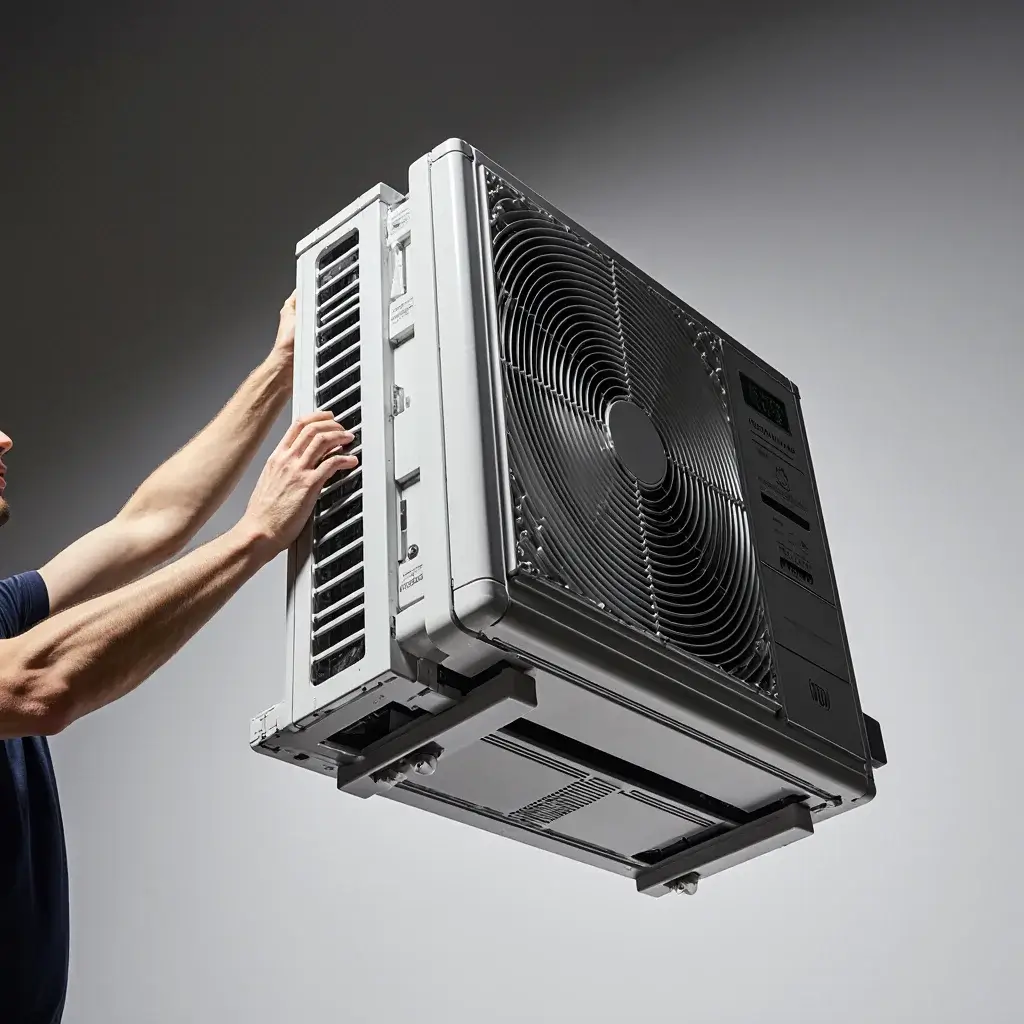
Condenser Inspection and Cleaning. The outdoor unit of a split system contains the condenser, where the refrigerant releases heat absorbed indoors. The condenser is susceptible to accumulation of dust, leaves, branches, and other debris that obstruct airflow. Condenser cleaning, also recommended at least once a year, is essential for proper heat dissipation. Using a low-pressure water hose or brush to remove dirt is recommended. It’s important to ensure condenser grilles are free of obstructions. A dirty condenser can increase refrigerant temperature and reduce system efficiency.
Refrigerant Analysis and Leak Detection. Refrigerant is the essential component of the refrigeration cycle. Refrigerant loss reduces cooling capacity and can damage the compressor. A refrigerant analysis every two years is recommended to verify refrigerant level and detect potential leaks. Refrigerant leaks should be repaired immediately by a qualified technician. The use of refrigerants like R32, which has a lower global warming potential than previous refrigerants, requires specific handling and maintenance procedures.
Compressor and Electrical Component Inspection. The compressor is the heart of the split system. Regular inspection of the compressor and other electrical components (motors, fans, etc.) is crucial for detecting potential faults. Cable, connection, and fuse condition should be checked. Compressor inspection should be performed by a qualified technician using specific diagnostic tools. Proper compressor function is critical to system performance and lifespan. The use of inverter compressors, which adjust speed based on cooling demand, offers greater energy efficiency and quieter operation. However, these compressors require more specialized maintenance.
Applicable Regulations. Split system maintenance must comply with Spanish regulations, including Royal Decree 229/2006 (RITE) on energy efficiency in buildings, the Technical Building Code (CTE), and corresponding regional regulations. It is important to ensure the equipment meets energy efficiency requirements and that installation complies with safety standards.
A well-implemented preventative maintenance program, performed by qualified and certified professionals, is key to ensuring the efficiency, durability, and safety of your split cooling system. Investing in preventative maintenance is an investment in comfort, peace of mind, and long-term cost savings. Contact a specialized technical service to schedule your annual inspection and keep your equipment in optimal condition.
“`