
Preventative Maintenance of Split Systems: Extending Equipment Life and Optimizing Performance
Importance of Preventative Maintenance in Split Air Conditioning Systems
Split air conditioning systems have become essential for comfort in residential and commercial settings, particularly in warm climates. To ensure optimal operation, energy efficiency, and extend equipment lifespan, a regular preventative maintenance program is crucial. Proper maintenance not only prevents unexpected and costly breakdowns but also ensures peak performance, reduces energy consumption, and minimizes environmental impact.
Under normal operating conditions, a split system typically has a lifespan of 10 to 15 years. However, this duration significantly depends on the level of care and maintenance provided. Lack of maintenance can shorten this period, leading to complex and expensive repairs, and potentially requiring premature equipment replacement.
Key Components of Preventative Maintenance
Preventative maintenance for a split system encompasses a series of tasks performed periodically. These tasks can be categorized into two main areas: cleaning and technical inspection.
Air Filter Cleaning
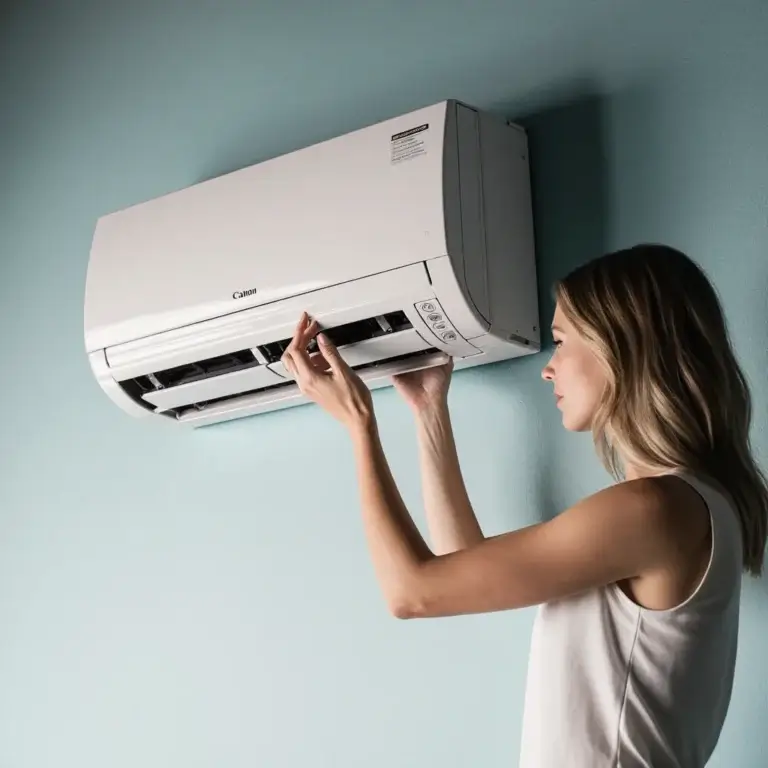
Cleaning or replacing air filters is the most important and frequent task. Filters trap dust, dirt, pollen, and other airborne contaminants, preventing them from entering the evaporator and damaging the compressor. Filters should be cleaned every 15-30 days, depending on usage frequency and environmental conditions. Accumulated dirt on filters can significantly reduce airflow, decreasing cooling capacity and increasing energy consumption. Use low-power vacuums or soft brushes to clean filters, avoiding damage to the mesh.
Evaporator and Condenser Inspection and Cleaning
The evaporator and condenser are the primary heat exchange components of the system. Dust and dirt accumulation on these surfaces reduces heat transfer efficiency, resulting in reduced air conditioning performance and increased electrical consumption. Cleaning these components requires specialized air conditioning cleaning products and should be performed at least once a year, preferably before the peak season. Avoid damaging the aluminum fins, as this negatively impacts system efficiency.
Air Duct Inspection and Cleaning
Air ducts distribute cooled air throughout the building or office. Over time, these ducts can accumulate dust, moisture, and other contaminants, affecting air quality and system efficiency. Inspection and duct cleaning are recommended every 2-3 years, particularly in environments with high levels of pollution. Industrial vacuums with appropriate attachments can be used for duct cleaning.
Refrigerant and Electrical Component Inspection
Refrigerant level inspection is critical for ensuring system proper operation. Low refrigerant pressure can indicate a leak and affect cooling capacity. Additionally, it’s important to inspect electrical components, such as wiring, connectors, and the fan motor, for potential faults. This inspection should be performed by a qualified technician using specialized diagnostic equipment. The currently used refrigerant is R32, which has a lower environmental impact than previous refrigerants like R410A.
Relevant Regulations and Certifications
The installation and maintenance of split systems are regulated by various national and regional regulations. In Spain, the primary regulation is Royal Decree 206/2010, which implements the Energy Efficiency Law. The Technical Building Code (CTE) also establishes specific requirements for climate control, including energy efficiency and indoor air quality. Furthermore, regional regulations may provide additional requirements.
It is essential that professionals performing split system maintenance are properly qualified and certified. Professional certification ensures the technician possesses the necessary knowledge and skills to perform work safely and efficiently. Recognized certifications include those issued by organizations such as the Instituto Profesional de Instalación (IPI) or the Professional Certification for HVAC Installations.
Consequences of Improper Maintenance
Improper maintenance or lack thereof can have serious consequences, including: reduced system performance, increased energy consumption, unexpected failures, component damage, and shortened equipment lifespan. Furthermore, poorly maintained air conditioning systems can negatively impact indoor air quality, promoting the growth of bacteria and mold.
In summary, preventative maintenance is a long-term investment that yields significant savings. A regular maintenance program ensures proper equipment operation, optimizes energy consumption, and extends equipment lifespan. Do not neglect the care of your air conditioning system.
If you require professional technical service for the maintenance of your split system, please contact our qualified technicians. We offer cleaning, inspection, repair, and preventative maintenance services, guaranteeing customer satisfaction. Contact us for a personalized assessment and a no-obligation quote.
“`