Preventive Maintenance of Split Systems: Key Steps to Extend Equipment Life
Importance of Preventive Maintenance in Split Air Conditioning Systems
The proper operation and longevity of a split air conditioning system largely depend on adequate preventive maintenance. Neglecting this practice can lead to a significant reduction in performance, increased energy consumption, and ultimately, costly repairs or premature equipment replacement. As a technical engineer with over 15 years of experience in HVAC, I have firsthand observed the consequences of inadequate maintenance management.
Preventive maintenance is not merely a recommendation; it’s a smart investment that ensures system operational efficiency and protects the initial investment. It’s based on a series of scheduled actions designed to identify and correct potential problems before they escalate, minimizing downtime and associated costs.
Filter Cleaning and Inspection: A Fundamental Step
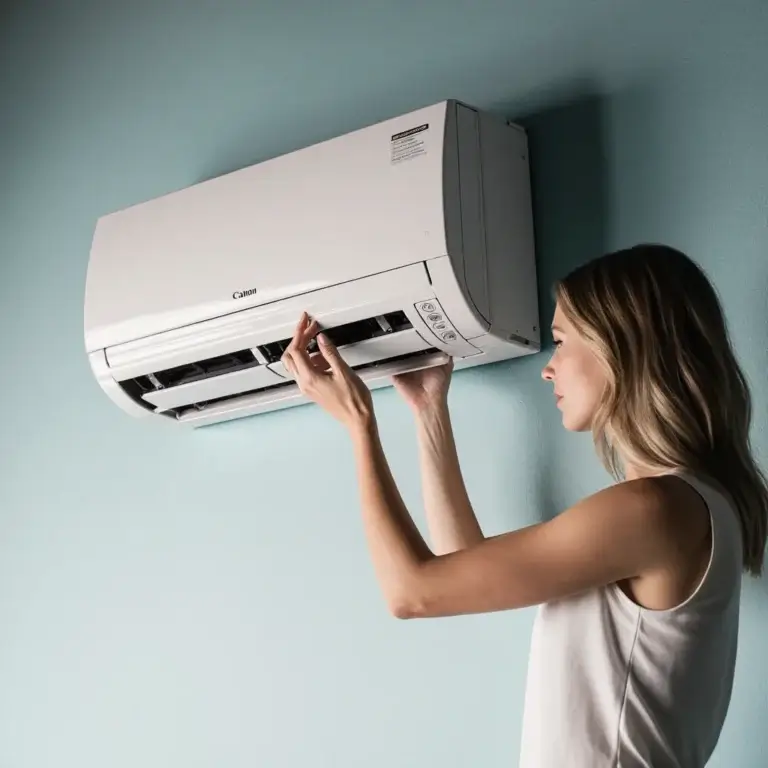
Regular cleaning or replacement of air filters is undoubtedly the most crucial aspect of preventive maintenance. Filters are responsible for retaining dust, dirt, and other contaminants circulating in the air, thereby protecting the compressor and other internal components of the unit. A clogged filter reduces the heat exchange capacity, resulting in increased energy consumption and a decrease in airflow. Filter cleaning or replacement is recommended every 15-30 days in areas with high pollution or dust, and every 3 months under normal operating conditions. Spanish regulations, specifically Royal Decree 206/2021 of February 28th, establishing minimum energy efficiency requirements for buildings, emphasize the importance of filter cleaning to comply with efficiency standards.
Filter quality is also an important factor. Filters come in different classes (G, M, F, H) with varying filtration capabilities. The choice of filter depends on the environment in which the equipment is located and the specific needs of the user. A G filter is suitable for residential environments, while an M or higher filter is more recommended for industrial environments or those with high pollution.
Inspection and Cleaning of Internal Components: Preventive Diagnostics
In addition to filters, periodic inspection of other internal components is essential. This includes cleaning the evaporator and condenser coils. Coils, exposed to the air, can accumulate dirt and dust, reducing their heat exchange capacity. Coil cleaning can be performed with specific products and appropriate cleaning equipment, such as coil cleaning sprayers. It is crucial to follow the manufacturer’s instructions to avoid damage to the equipment. In systems with a heat pump, coil cleaning is especially important as it directly affects the efficiency of the refrigeration cycle.
Another important aspect is checking the condition of electrical connections and refrigerant piping. It should be verified that there are no refrigerant leaks, as this not only reduces system efficiency but can also have a negative impact on the environment. Leak detection requires the use of refrigerant leak detectors, specialized tools that allow the identification of gas in small quantities.
Annual Inspections and Advanced Diagnostics
A comprehensive annual system inspection by a qualified service technician is recommended. This inspection should include advanced diagnostics to identify potential problems before they escalate. Diagnostics may include measuring refrigerant pressure, verifying compressor operation, checking the expansion valve condition, and reviewing the control system. Annual inspections are crucial to ensure compliance with current regulations, such as Royal Decree 1660/2006, which regulates the use of fluorinated gases.
The use of Inverter technology in split systems has significantly improved energy efficiency. However, these systems require even more careful maintenance, as the complexity of their components increases the likelihood of failures. Proper compressor calibration and verification of the control system’s operation are key aspects to ensure the efficiency and durability of Inverter-equipped units.
Consequences of Improper Installation and Poor Maintenance
Improper installation or poor maintenance can have serious consequences, including a significant reduction in performance, increased energy consumption, and a decrease in equipment lifespan. They can also lead to unexpected failures requiring costly repairs. In extreme cases, improper installation can even compromise user safety.
It is essential that the installation of a split air conditioning system is performed by a qualified professional and that current regulations are followed. Preventive maintenance, in turn, should be performed by an experienced service technician with the necessary training and tools.
If you need advice or preventive maintenance services for your split air conditioning system, do not hesitate to contact qualified professionals. Proper maintenance is the key to ensuring the efficiency, durability, and safety of your equipment.
“`